
Armenia will have to make choice sooner or later – Dmitry Suslov
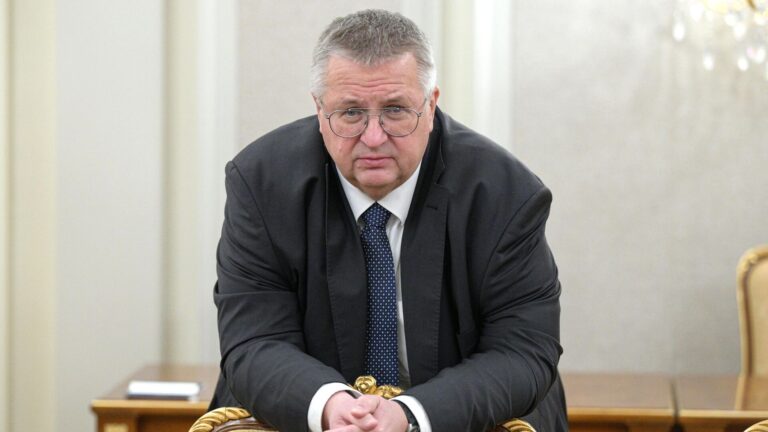
Dmitry Suslov, Deputy Director of the Center for Comprehensive European and International Studies at the National Research University Higher School of Economics, spoke to Alpha News about the negotiations between Russia and the United States on Ukraine, EU and US policy in the post-Soviet space, and the prospects for Russia’s relations with Armenia and Azerbaijan.
According to Suslov, Europe will continue its anti-Russian policy in post-Soviet countries even after the conflict in Ukraine ends.
“The current EU elites will continue their hybrid war against Russia as long as they remain in power, until a fundamental transformation of Europe occurs.
Today, the EU demands that post-Soviet countries join anti-Russian policies, not simply harmonize their legislation with the EU,” the expert said.
According to him, the peoples and a significant portion of the elites of the South Caucasus, including Azerbaijan and Armenia, are interested in maintaining normal, good-neighborly, and cooperative relations with Russia.
“The crisis in Russian-Azerbaijani relations was understandable, but its severity was abnormal. Naturally, the two sides sought to normalize relations. Moscow and Baku want to overcome the crisis and return to pragmatic, good-neighborly relations. However, the West is not interested in normalization and is spreading false claims about Russia’s alleged attempts to stage a coup in Azerbaijan. This is hindering Russian-Azerbaijani normalization,” Suslov said.
Suslov emphasized that it is not in Russia’s interests to escalate relations with Armenia, despite the Armenian leadership’s political pivot toward the West.
“Russia understands that Armenia will not leave the EAEU in the foreseeable future—otherwise, it will suffer economically and the population’s standard of living will decline. Russia and Azerbaijan have agreed on the unimpeded transit of Russian goods to Armenia through Azerbaijan, which enhances Armenia’s economic well-being.
The Armenian leadership, on the other hand, is showing interest in joining the EU. Russia’s position is that Armenia will have to make a choice sooner or later, but until then, it will remain a member of the EAEU, with the corresponding benefits in trade and economic relations.
Russia does not seek escalation with Armenia. On the contrary, the goal is to smooth over tensions, maintain the status quo, resolve emerging disputes, and maintain relative normalcy in existing relations,” Suslov concluded.
 Now live