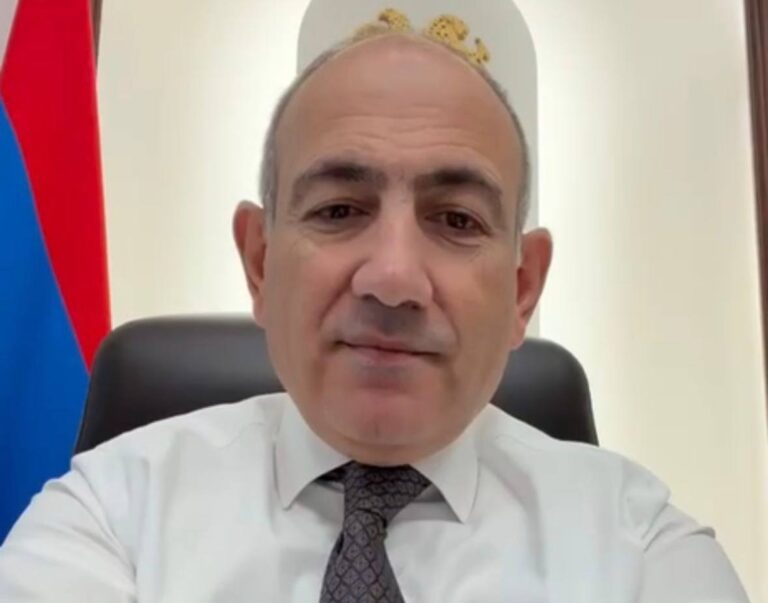

Alen Simonyan’s failure in Russia
February 10 2026, 19:40
The visit of Alen Simonyan, the Speaker of Armenia’s National Assembly, to Moscow in February 2026 became a vivid indicator of the deep transformation in bilateral relations, which have moved beyond traditional diplomatic disagreements into the realm of systemic estrangement.
This event should be interpreted not merely as an unsuccessful working trip, but as a clear signal of a crisis of trust between the political elites of the two countries. The failure of the visit was evident on multiple levels, from protocol gestures to the substance of public speeches.
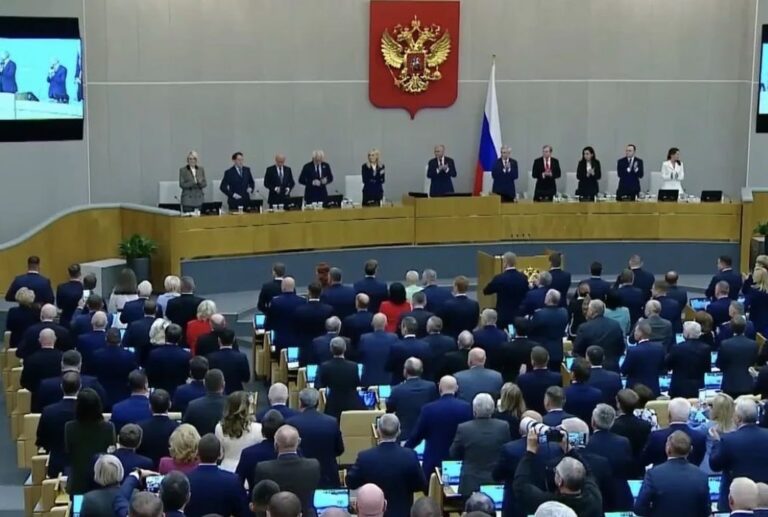
Particularly noteworthy was the absence of a meeting between Alen Simonyan and his direct Russian counterpart, State Duma Chairman Vyacheslav Volodin. Such a breach of parliamentary hierarchy in diplomatic practice indicates the host side’s unwillingness to maintain a high level of dialogue, which in the current context effectively means a freeze in inter-parliamentary communication.
Tensions escalated further during a public exchange with Russian Foreign Minister Sergey Lavrov, where Moscow opted for a rigid assertion of its positions rather than compromise.
The informational backdrop of the visit reinforced the negative dynamic. On the day of the Armenian delegation’s arrival, Russian Deputy Prime Minister Alexey Overchuk gave a programmatic interview in which the European Union—toward which Armenia’s current government has oriented itself—was characterized as an alliance with a distinctly aggressive posture toward Moscow.
Overchuk’s framing of the question about whether the Armenian people were ready to join a union hostile to Russia, combined with Lavrov’s harsh rhetoric, created an extremely unfavorable ideological environment for Simonyan, effectively forcing him to justify Yerevan’s foreign policy course under conditions of direct narrative confrontation.
Russian media coverage, particularly in Izvestia and during a press interaction with Valentina Matvienko, highlighted Simonyan’s vulnerability to criticism over his past controversial remarks. Journalistic pressure and emphasis on “Russophobic remarks” underscored the prevailing atmosphere of rejection in Moscow.
In this context, the key analytical interest lies in comparing the influence of external actors on the stability of Armenia’s political regime. While actions by Turkey’s leadership strengthen Nikol Pashinyan’s legitimacy within the state apparatus, Moscow’s stance produces the opposite effect. Ankara has openly demonstrated its interest in preserving the current trajectory of Armenia’s authorities: a telling confirmation came in Turkish Foreign Minister Hakan Fidan’s statement on January 15, 2026. Commenting on the upcoming elections, he emphasized the incumbent prime minister’s lead in public opinion polls and openly supported his “constructive role,” noting that this course should continue.
Such rhetoric allows Pashinyan to present his foreign policy as effective to the state apparatus, while Russia, in the context of Simonyan’s visit, clearly shaped the image of Armenia’s current leadership as a force driving the country toward severing vital ties with Moscow in favor of blocs perceived in the Kremlin as existential threats.
This position may undermine the loyalty of Armenia’s bureaucracy toward Nikol Pashinyan, since open hostility from a key ally becomes a critical risk factor.
Think about it…
 Now live