
Post-Soviet space remains a “tasty morsel” for the EU: Alexey Gromyko
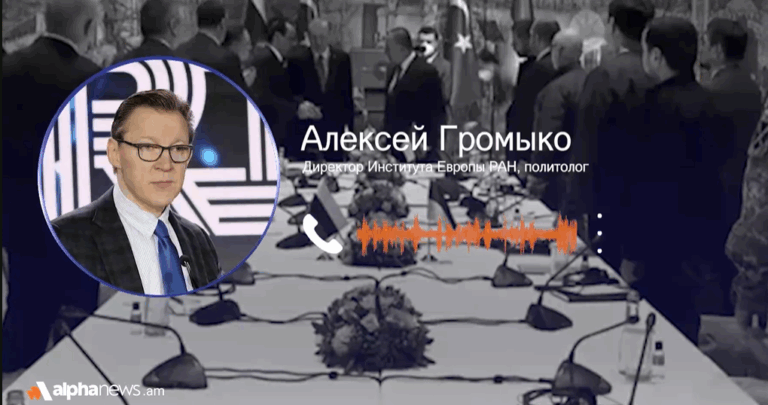
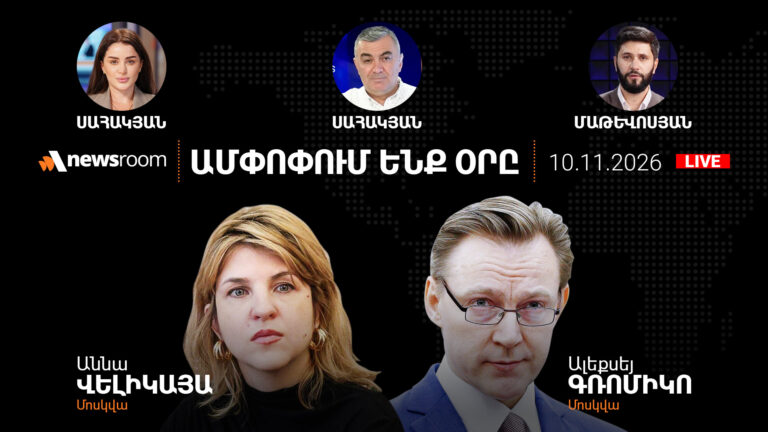
Alexey Gromyko, a political scientist and Director of the Institute of Europe of the Russian Academy of Sciences (RAS), spoke to Alpha News about the European Union’s enlargement policy and the prospects for post-Soviet countries joining it. He commented on the sidelines of the plenary session of the International Forum on Ensuring Collective Security. In the expert’s view, EU policy toward post-Soviet states has remained unchanged for many years and is driven by Brussels’ desire to expand its sphere of influence.
“Year after year, decade after decade, the same thing happens. The European Union is interested in expanding its sphere of influence, so there is nothing new here. Post-Soviet states are especially important to it simply out of inertia, because of the whole philosophy under which the post-Soviet space has always been a kind of tasty morsel for the EU. So nothing is new; everything continues along the same logic we talked about 10 and 20 years ago. Expansion is probably driven not so much by confrontation as by self-interest. Who isn’t interested in expanding their sphere of influence? The other thing is that, along with enlargement, you can import onto your territory problems that used to belong to a particular country. But once that country joins your ranks, those problems become problems for the organization as a whole,” the expert stressed.
According to the political scientist, as far as EU enlargement goes, Ukraine’s accession can be forgotten for the next 10–15 years.
“The first countries to join the European Union should be those that have already gone far down this path and truly want it. Above all, these are the countries of the so-called Western Balkans. As for how Moldova will fit into this process and how long the negotiation tracks on its accession will drag on, a lot depends on political factors. As for Ukraine, in terms of EU enlargement, it can be forgotten for the next 10–15 years,” Gromyko said.
 Now live