
Sides acknowledged realities at trilateral meeting in Shenzhen: Dmitry Rodionov
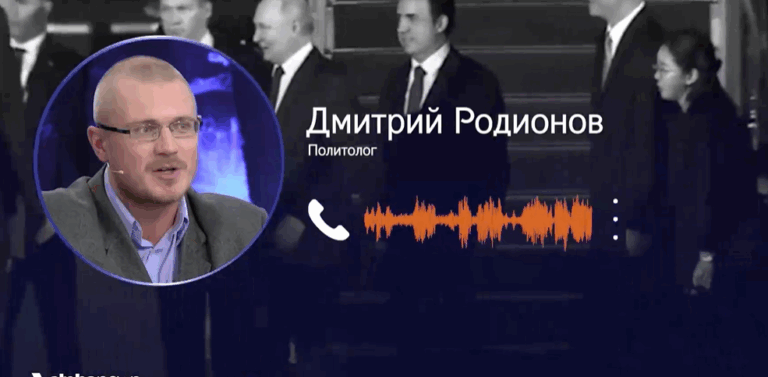
Dmitry Rodionov, a political scientist, spoke to Alpha News about the meeting of the presidents of Russia, China and the United States on the sidelines of the Asia-Pacific Economic Cooperation summit in Shenzhen, China.
“First of all, I would like to dispel the myths surrounding this meeting, which were artificially stirred up mainly by the European media: that it would be a ‘new Yalta,’ that the world and Europe would be divided up there. European publications ran cartoons showing the three leaders serving each other dishes associated with particular countries, with headlines along the lines of ‘If you’re not at the table, you’re under the table,’ and so on. But let’s come back down to earth. Nothing of the kind happened, or was even planned. In general, the comparison with Yalta is completely far-fetched.
Yalta really was a conference held at the end of the largest war in human history, where people decided the future of the world, and those people were allies, united by a common enemy, a common victory and so on. Today, no one is deciding the fate of the world, and there is no camp of victors. To call the United States an ally, when it openly says, ‘Yes, we supply weapons to Ukraine, so what?’ while Ukraine uses those weapons, intelligence, Starlink terminals and so on to attack the Crimean Bridge… Well, excuse me, but I can hardly bring myself to say that the United States is Russia’s ally, to put it mildly,” the expert said.
According to Rodionov, the fact that the sides touched on general global issues in front of the cameras does not rule out deeper private talks on other topics behind closed doors.
“No key issues were actually discussed: not nuclear disarmament itself, not Ukraine, not Iran, not the tariff and trade wars that the United States is now imposing on the whole world. In other words, the countries issued a statement that was ‘for everything good and against everything bad.’ But this does not at all mean that pressing issues were not discussed behind the scenes, where journalists’ cameras are not rolling. It was simply a matter of comparing notes, and the leaders also shared, let’s say, their concerns. As Putin put it, they acknowledged realities, nothing more,” the speaker concluded.
 Now live