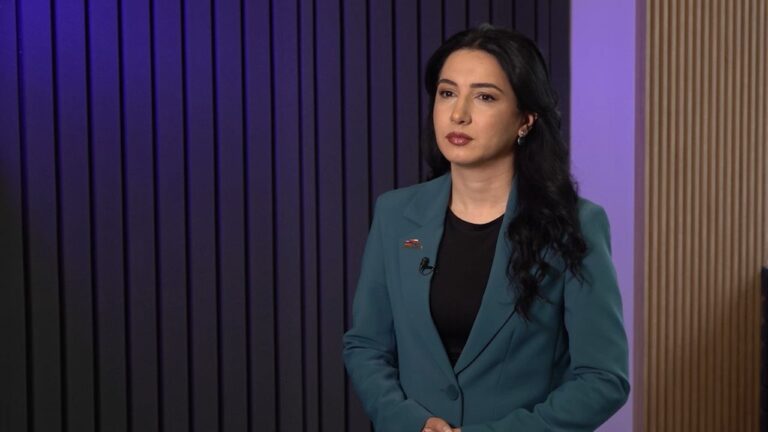

After meeting in Alaska, Trump adopted Putin’s stance – Pavel Dubravskiy
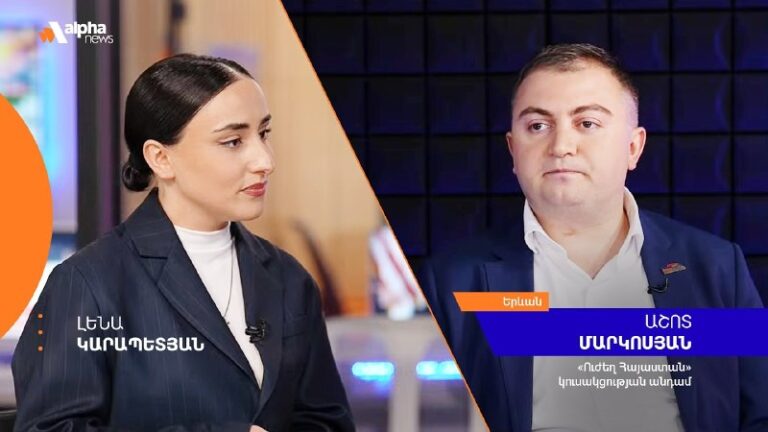
Speaking with Alpha News, political strategist and head of Dubravskiy Consulting, Pavel Dubravskiy, commented on the recent talks in Washington between US President Donald Trump, Ukrainian President Volodymyr Zelensky, and European leaders.
According to Dubravskiy, the talks in the US can be assessed as constructive and positive.
“Previously, we saw two plans. The first was a temporary ceasefire, advocated by Zelensky. The second was a permanent peace agreement—one that would prevent the conflict from resurfacing decades later. This is Putin’s position. We see that after the meeting in Alaska, Trump adopted Putin’s stance and agreed with it. The question then became how European leaders would respond to this plan. Judging by the meeting that took place on Monday between European leaders, Trump, and Zelensky, it seems the Europeans decided to support Trump’s proposal. At this point, it looks like they are specifically discussing security guarantees, and Ukraine will definitely not be joining NATO. Vladimir Putin himself raised the issue of Ukraine’s security during the Alaska talks, which also implies territorial integrity. So I believe those topics will be discussed first, followed by the territorial questions—or perhaps even simultaneously,” Dubravskiy said.
He added that, based on public statements from European leaders, they appear ready to fully follow Trump’s plan.
“At the moment, it looks like the European leaders came to support Zelensky, but judging by their public statements, they are ready to fully follow Trump’s plan—though not all of them. For example, Macron and Merz voiced opposition, emphasizing the need for a temporary ceasefire. But since Trump agreed with Putin, the main scenario currently being discussed is one of permanent peace. I believe within a week or two, a plan for possible security guarantees will be presented, followed by preparations for a trilateral meeting between the presidents—or perhaps a bilateral one between Ukraine and Russia first,” Dubravskiy concluded.
 Now live