
Armenia’s European partners are interested in disrupting ties with Russia – Andrey Areshev
February 19 2026, 10:54
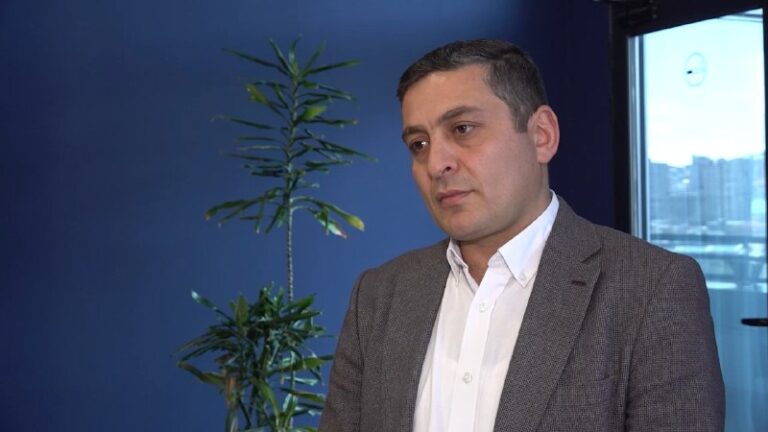
Speaking with Alpha News, political scientist, Strategic Culture Foundation expert Andrey Areshev commented on Pashinyan’s statements about the South Caucasus Railway (SCR) and the possible transfer of the concession to a third party.
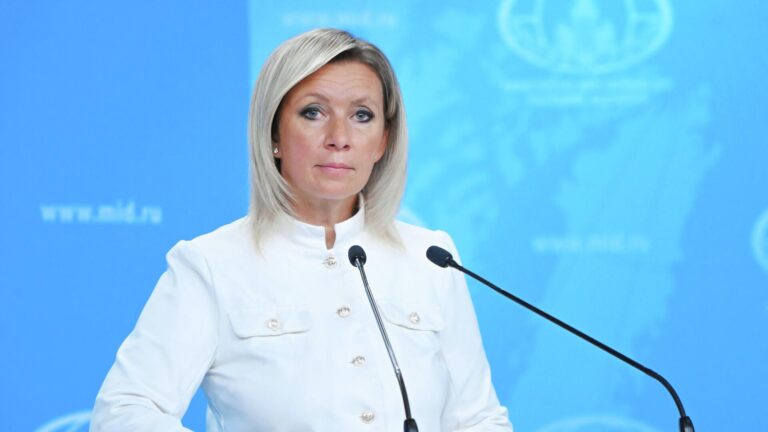
“We all heard the comments of the official representative of the Russian Foreign Ministry, Maria Zakharova, regarding Nikol Pashinyan’s recent statements about the ‘South Caucasus Railway.’ In fact, this is a wholly owned subsidiary of Russian Railways in Armenia, operating under concession. The situation did not begin yesterday or the day before—the first claims from Armenian law enforcement appeared back in 2019. Now the issue is being raised from another angle. In December 2025, at a meeting in St. Petersburg, Pashinyan, as he himself said, raised the topic of urgent reconstruction of border crossings on the Iranian and Armenian-Turkish borders, which would correspond to the current Armenian authorities’ plans to unblock railway communication with Azerbaijan and Turkey. According to Russian Deputy Prime Minister Alexey Overchuk, such an option is not excluded.
However, Pashinyan goes further and openly threatens to transfer the concession through complex schemes. At the same time, an information campaign has been launched in Telegram channels linked to Pashinyan, alleging inefficiency in the management of Armenia’s railway network. I believe this is a deliberate line aimed at minimizing the presence of major Russian companies in Armenia, which objectively undermines the remaining elements of Russian-Armenian cooperation and accelerates the geopolitical drift of the Republic of Armenia toward Azerbaijan and Turkey,” the expert said.
According to the political scientist, the current Armenian authorities tend to politicize issues that could otherwise be resolved peacefully and to mutual satisfaction without unnecessary emotion or political overtones.
“As we know, for Russia under current conditions it is important to build foreign economic ties, turning them to the East and South. Hence Russia’s interest in the international North–South transport corridor and other communication routes. In my opinion, the current Armenian government is somewhat politicizing issues that could be resolved to everyone’s satisfaction without politically charged and emotional statements. I believe this is part of a broader strategy, coordinated with Armenia’s European partners, who are most interested in introducing elements of disorganization into Russian-Armenian political and economic relations, as well as into business-level cooperation—wherever possible,” Areshev emphasized.
 Now live