
Invasion of Iran is impossible, but strikes are possible – Alexey Leonkov
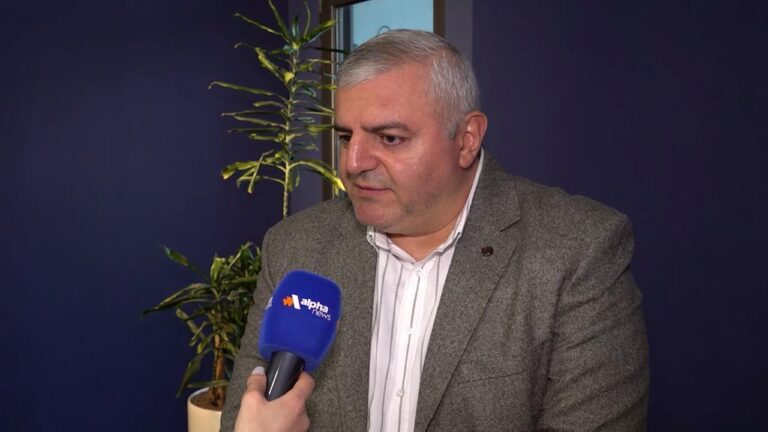
Speaking with Alpha News, military analyst Alexey Leonkov commented on the current situation in Iran and possible scenarios for the situation in that country and in the South Caucasus region.
“There are concerns because Trump has been very vocal about his support for the protesters, demanding that they continue protesting, and threatening to strike Iran if they do anything about it. Israel seems to be echoing him, but it is expressing itself differently. Israel says it is ready to establish cooperation with Iran once the government changes, which means it is essentially supporting this escalatory direction. But despite certain contradictions within the country’s political situation, Iran’s leadership has taken control. Incidentally, this has been primarily reported by Chinese media, which, understandably, are very interested in Iran having, as they say, a stable government,” the analyst said.
According to Leonkov, Tehran’s government is now more radical than it was when the Americans tried to cancel Iran’s nuclear program.
“Will there be a full-scale invasion or strikes on Iran? An invasion is impossible. Supporting the protesters by staging a revolution—similar to Libya or Iraq in 2003, when Saddam Hussein’s government was replaced by coalition forces—is not feasible. The US, no matter how eager, and Israel, regardless of intent, cannot achieve this. Europe, even if it tried to assemble a coalition, cannot do that either. Times have changed, and the capabilities are no longer there. Strikes on Iranian territory, however, are possible—and have occurred before. But Iran, or rather its government, today is more radical than it was when the Americans tried to shut down Iran’s nuclear program. Therefore, the situation in the region is currently escalating, and this is primarily affecting not security in the Middle East itself, which includes the South Caucasus, but rather oil prices. Trump’s actions against Venezuela and Iran have shaken the oil market, sending prices into turmoil. However, he has not achieved any significant results on Venezuela. While Venezuela continues to exist as an independent country, I do not think he will achieve any results on Iran either. Because things are not as clear-cut as they would have been if, for example, these events had taken place 30 years ago, when the United States had more resources than it currently has,” the expert said.
Analyzing the potential implications of events in Iran for Armenia, Leonkov suggested that the consequences would likely be economic.
“You know, if the situation escalates and some kind of conflict erupts, this will, of course, worsen Armenia’s economic situation. Military action on Iranian territory could disrupt logistics routes, including the delivery of essential goods. But I think that if this escalation reaches incredible levels, it will directly impact Armenia. The question here is what position the Armenian leadership will take on the events unfolding in Iran: friendly or neutral-hostile. This question remains unanswered,” Leonkov concluded.
 Now live