
Investigative Committee’s response was evasive, which is equivalent to refusal – Aram Vardevanyan
February 13 2026, 16:00
Speaking with Alpha News, lawyer Aram Vardevanyan commented on the publication in Nikol Pashinyan’s family newspaper Haykakan Zhamanak, noting that the Investigative Committee simply tried to evade giving an answer, which is equivalent to a refusal, since his request required a clear “yes” or “no.”
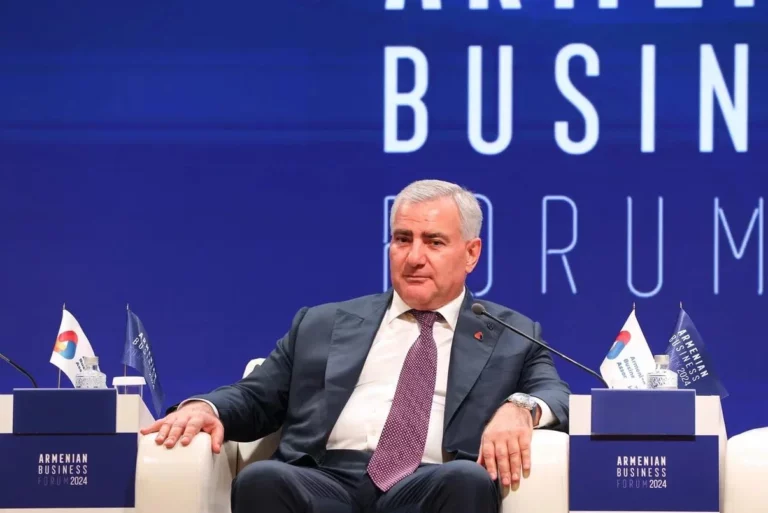
According to the publication, the newspaper had contacted the Investigative Committee, where, as reported, they denied claims that the committee had not allowed the candidate for prime minister from the Strong Armenia party, Samvel Karapetyan, to prepare a video message using artificial intelligence.
“First of all, it is not surprising that Haykakan Zhamanak is the one providing clarification on this issue, assuming the role of a primary source. As a reminder, this same newspaper on November 17, 2025, when the question of extending the unlawful detention of Samvel Karapetyan was still under investigation and we were in the courtroom, published a message that the detention had already been extended for two months. It is indeed interesting that Haykakan Zhamanak once again publishes exclusive information about Samvel Karapetyan. Now, let’s turn to the content: I ask any impartial observer to look at this response, from which it is obvious that the Investigative Committee has just rejected it. I do not engage in such practices; otherwise, I would have published both the request and the response myself. I appeal to the Investigative Committee not as a structure, but as the body conducting the investigation into Samvel Karapetyan’s case, and in return we receive the position that they cannot make such a comment. Isn’t that a rejection?” the lawyer said.
According to him, if there had been a violation, the Investigative Committee would have been the proper body to assess it. “The Investigative Committee tried to avoid answering, which is equivalent to a refusal. To my request, they simply needed to answer ‘yes’ or ‘no,’” the lawyer said.
 Now live