
Iran faces choice: respond immediately and harshly, or conserve strength for prolonged confrontation – Adlan Margoev
January 29 2026, 10:01
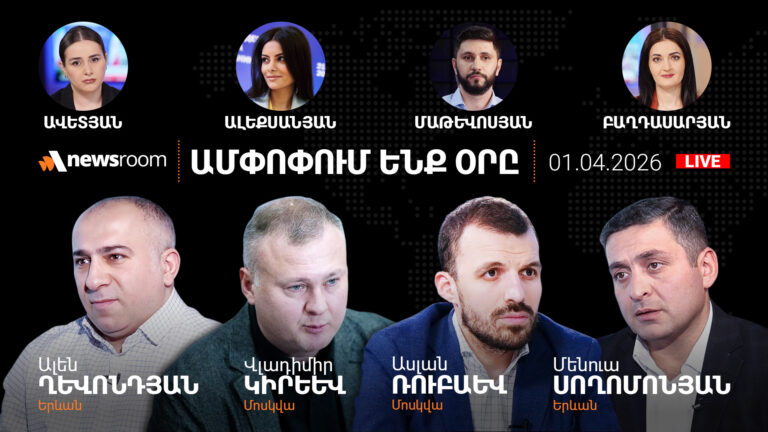
Iranologist Adlan Margoev spoke to Alpha News on the sidelines of a discussion on “The International Situation Around Iran: Trends and Risks.” He addressed Iran’s domestic political situation, the ruling regime’s readiness to initiate reforms, and whether Tehran would risk a harsh response to a US attack.
“The current wave of protests appears to be practically over. But Iran is experiencing a cyclical pattern: every two or three years, a new trigger sparks discontent. In 2017, it was food prices; in 2019, rising gasoline prices; and in 2022, the Islamic dress code for women. Now, the cause is the elimination of subsidies and the rial’s exchange rate moving closer to the market rate. Against the backdrop of immense external pressure from the US and domestic problems, crises could recur more frequently. It is possible that new protest movements could erupt this year or next, which the Iranian government will have to deal with,” Margoev said.
According to the expert, the current position of the Iranian government is that there will be no changes in foreign policy.
“Iran’s position is that the country is not backing down and strictly adheres to international law: if it has the right to enrich uranium, it will do so; if it needs to defend itself from regional threats, it will develop a missile program. This creates an irreconcilable contradiction between the Trump administration and Israel, on the one hand, and the Islamic Republic, on the other. At the same time, the Pezeshkian administration and its economic bloc are proposing a number of reforms to improve the economic situation. In particular, government spending on exchange rate subsidies has been reduced. In the long term, the Iranian government sees an opportunity to redirect the savings toward public support programs, particularly financial assistance for low-income families,” Margoev said.
 Now live