
Iran will continue to fight – Dmitry Solonnikov
March 14 2026, 11:25
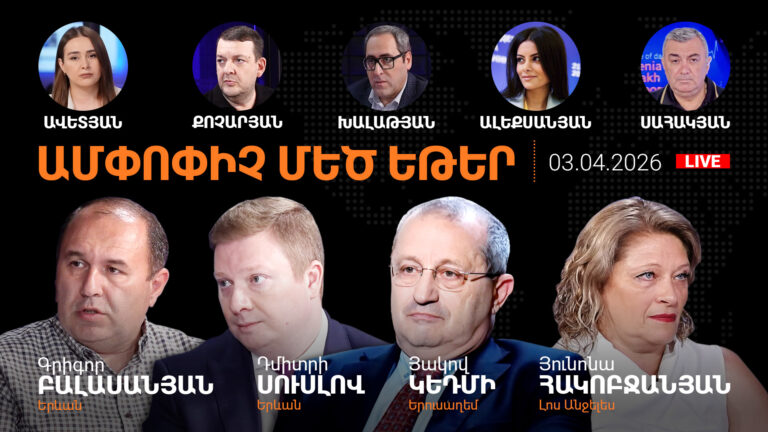
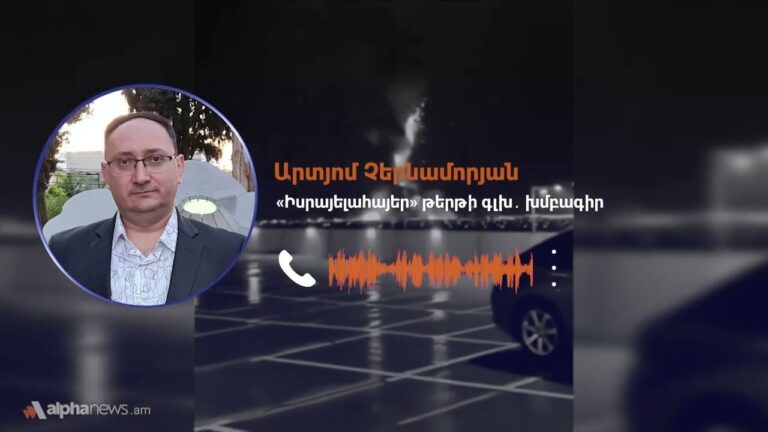
Speaking with Alpha News, political scientist and strategist Dmitry Solonnikov analyzed the course of the war of the US and Israel against Iran, possible scenarios for ending the hostilities, and the approaches of Russia and China in supporting Tehran in this conflict.
“In my view, the key issue here is how Iran itself will act. Donald Trump, without a doubt, wanted a quick victorious war: strike once, change the leadership in Tehran, and declare victory. Just like in Venezuela, one of the largest suppliers is now in the hands of the American president’s friends. It all seemed settled. But no—Iran did not surrender, and Tehran will continue to fight. Now the question for Iran is: how long will it resist? How many missiles and drones does it really have? Is there ongoing production, or are there only stockpiles left in warehouses? How large are these warehouses? We’ve seen footage showing huge underground storage facilities still filled with drones, unmanned boats, and all sorts of equipment. It seems Iran can continue the war for quite a while, maybe weeks. And in this situation, no matter how much Trump declares that he has already won the war, that it is over, and that he has ended it, Iran has not ended it. Iran will continue the blockade of the Strait of Hormuz, will continue periodically striking targets on the opposite shore of the Persian Gulf, and Israel. In this respect, it is Iran that will not end the war. The US announced it was over, but Iran did not. Then the question is: how long will the US economy, and the global economy, hold out before a collapse begins on the stock market,” the expert said.
According to Solonnikov, Russia has defined its contacts with Iran in various spheres, excluding the military.
“Russia is doing a lot to support Iran. Russia and Iran have signed a strategic partnership agreement, but it does not include a military component, so Russia has no obligations to enter into combat with countries that attacked Iran. But Russia helps Iran mainly in two directions. First, diplomacy: the Russian president engages in negotiations with neighboring states and leaders. These include leaders of Gulf monarchies, Arab states, as well as talks between Vladimir Putin and Ilham Aliyev, and other diplomatic contacts. Likewise, a complex negotiation track is emerging: Masoud Pezeshkian speaks with Putin, Trump speaks with Putin, Putin speaks with Pezeshkian. So the possibility of such shuttle diplomacy exists, where Russia acts as an indirect participant in balancing Washington’s and Tehran’s positions. Second, humanitarian aid: Russia has announced it will provide humanitarian, moral, and material assistance to the Iranian people affected by the strikes, again, as mentioned, through Azerbaijan. So assistance to the civilian population suffering from these terrible strikes will continue. From the military standpoint, Russia has no military treaty with Iran, and attempts to portray Russia as an active participant in this process are a deliberately organized provocation by Brussels, Kyiv, and other interested parties,” Solonnikov concluded.
 Now live