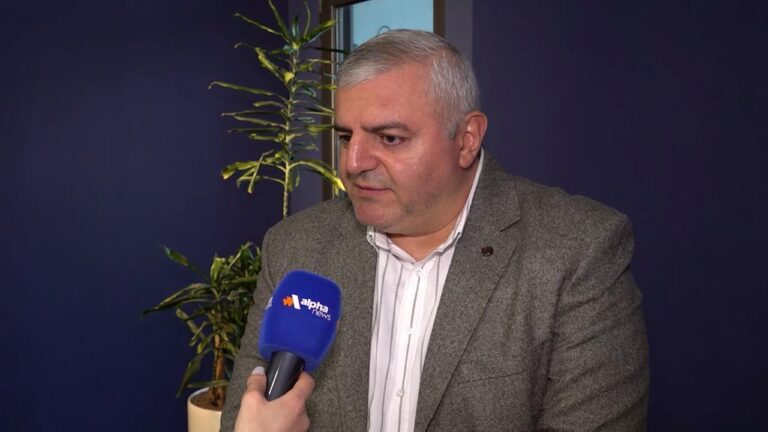

EU, Azerbaijan, and Turkey interfere in Armenia’s elections
December 10 2025, 19:00
Ahead of key political cycles in Armenia, including the upcoming elections, there is a clear and unprecedented synchronization of actions by external actors such as the European Union, Azerbaijan, and Turkey. This coordination, aimed at supporting the current government and shaping a favorable domestic climate, casts serious doubt not only on the principle of democratic choice but also on Armenia’s fundamental sovereignty.
The main conclusion is that any such overt external interference, regardless of its official “humanitarian” or “economic” justifications, is a direct challenge to national independence and a manifestation of a deep crisis of statehood.
The EU demonstrates a classic example of double standards in international politics. While Brussels reacts extremely sensitively to any external criticism—for example, assessments in US strategic documents about a “crisis of democracy” within the EU itself, which it perceives as unacceptable interference—in the Caucasus, the EU itself becomes a key intervener.
The announcement by EU foreign policy chief Kaja Kallas of allocating €15 million, part of which is directed toward combating “foreign interference” modeled on “threats seen in Moldova,” cannot be interpreted otherwise than as targeted financing of political structures that give the ruling power an advantage. This mechanism, formally aimed at “strengthening resilience,” in fact creates financial and media leverage for suppressing the opposition. Moreover, the planning of an Armenia–EU summit in Yerevan with the participation of the bloc’s top leadership (the Presidents of the European Council and the European Commission) is a powerful public act of political legitimization of the ruling elite.
In parallel with Western political and financial support, Azerbaijan and Turkey are using economic and geopolitical levers to create a favorable backdrop for Nikol Pashinyan’s government, which is perceived as the only acceptable partner for Baku and Ankara in the matter of regional “normalization.” Georgia’s symbolic decision to allow a one-time, free transit of Azerbaijani fuel to Armenia, even in limited volume, is a landmark event. This is not merely economic news; it is a demonstration of Baku’s readiness for engagement, providing Yerevan with a certain “communication respite.” At the same time, the information leak through Bloomberg that Turkey is allegedly considering opening the land border within the next six months carries, by design, a powerful electoral charge. This signal from Ankara is intended to create certain positive expectations within Armenian society.
The combination of these actions—European millions for “resilience,” Azerbaijani fuel, and the “prospect of opening the Turkish border” —forms a cumulative effect that the authorities can exploit. Such pressure on the political field, where external forces openly provide bonuses to one participant, devalues national sovereignty. True sovereignty implies a state’s ability to independently determine its policy and the citizens’ right to choose their government without external dictates. In this case, Armenia’s elections risk becoming merely a procedure for approving a choice already made beyond its borders.
This is not just a crisis of legitimacy but a fundamental crisis of sovereignty, requiring from the Armenian opposition not merely criticism but the development of a strong counter-narrative that clearly states: external “bonuses” are purchased at the price of independence, and the only way to restore sovereignty is consolidation around national interests and the cessation of dependence on external centers of power.
Think about it…
 Now live