
Situation around the Iran-Israel conflict as of June 23
June 23 2025, 10:52
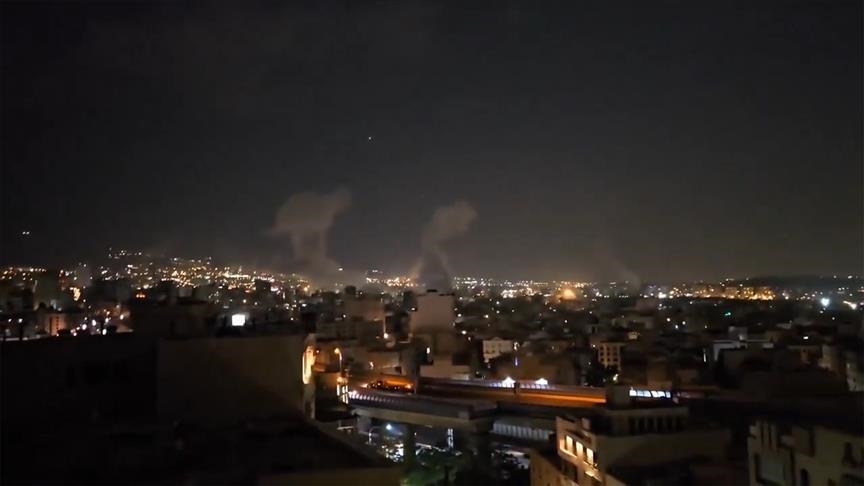
On June 22, the US Air Force, in coordination with Israel, attacked key nuclear sites in Fordow, Natanz, and Isfahan. On the morning of June 23, Iran responded symmetrically with at least 27 ballistic missiles fired at Tel Aviv, Haifa, and Ben-Gurion International Airport. Some missiles penetrated the Iron Dome defense system, resulting in casualties and significant damage.
In response to the Tehran attack, the Israeli Air Force targeted military installations in Tehran, Shahroudi and Yazd, including rocket factories and ammunition depots. Israel is currently under a state of emergency—schools are closed, all public events have been canceled, and transportation disruptions and damage have been reported in Haifa, Ashkelon, and other areas.
In Tehran, the Islamic Revolutionary Guard Corps (IRGC) has been placed on high alert. The IRGC announced the closure of the Strait of Hormuz, a vital waterway through which nearly 20% of the world’s oil supply is transported. A mass withdrawal of tankers from the region has already been observed.
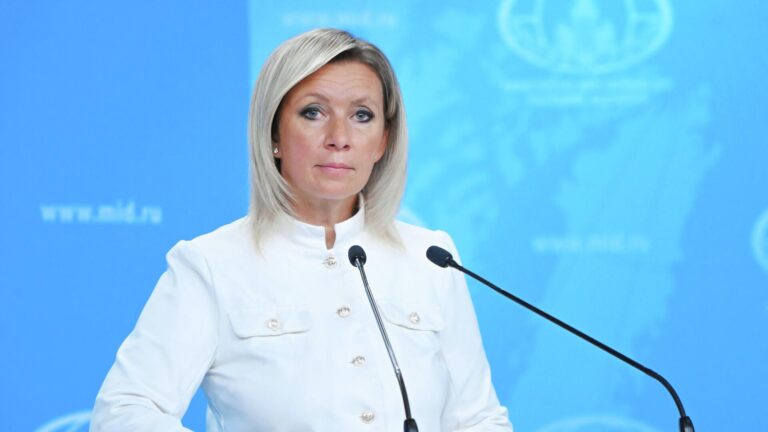
The Russian Foreign Ministry issued a stern statement condemning the Israeli and US strikes on Iran’s nuclear infrastructure and called on Israel to immediately stop raids on IAEA safeguarded facilities. Russia also expressed support for Iran, noting its commitment to the NPT and willingness to negotiate with the US provided the attacks stop.
Beijing welcomed a joint statement by 21 Arab and Islamic countries condemning Israel’s attack on Iran. Chinese Foreign Ministry spokesman Guo Jiakun emphasized that the top priority is a ceasefire and a return to dialogue. China also called for an immediate ceasefire, supported diplomatic efforts, and pledged to promote de-escalation.
 Now live