
Levon Kocharyan on editorial independence and impartiality of Public Television of Armenia
October 01 2026, 16:04
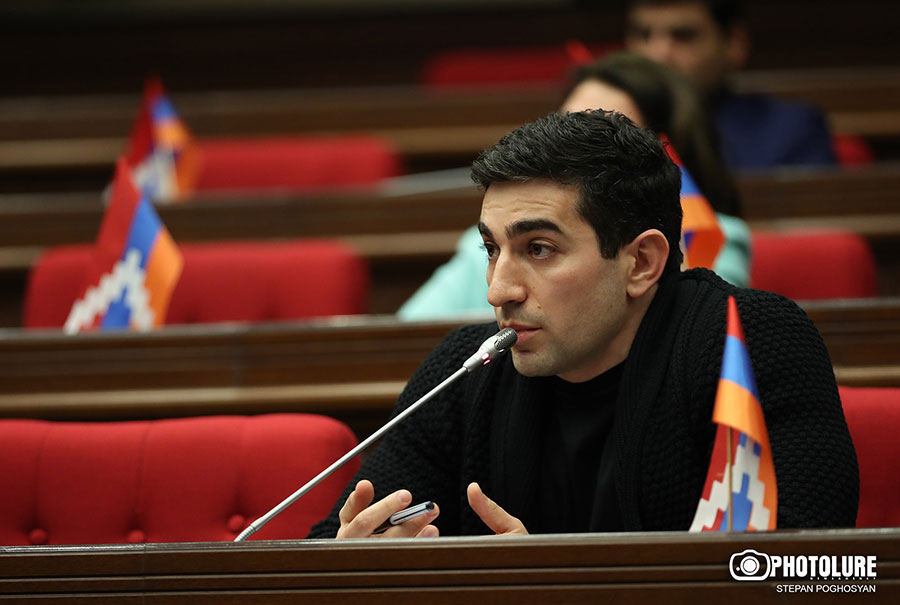
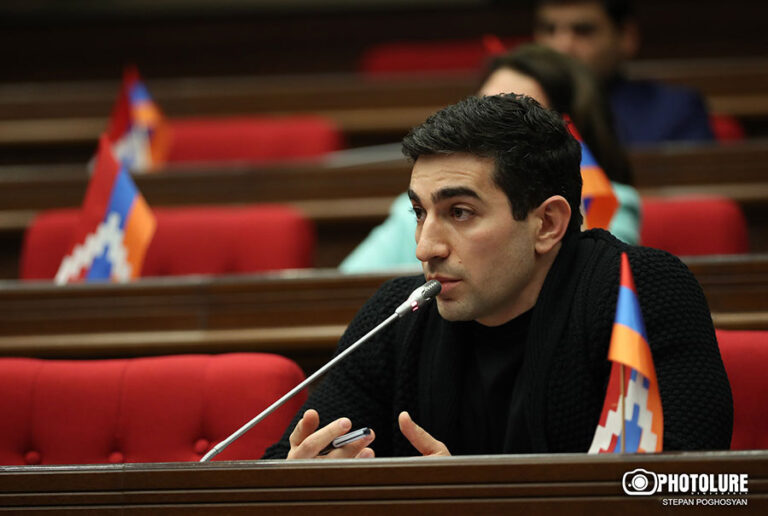
Media pluralism is not merely a decoration of democracy. It is the main mechanism through which citizens demand accountability from the authorities, said Levon Kocharyan, member of the Armenia faction, in PACE.
“Where different opinions and voices compete freely, mistakes are identified, abuses are exposed, and citizens are able to compare one point of view with another and draw their own conclusions. This process usually does not begin with open censorship. It begins more subtly: with uncomfortable questions not being asked, alternative opinions not being voiced, and facts inconvenient for the government not being highlighted. In the end, citizens simply do not know what they are not told. The greatest responsibility in this matter lies with the public broadcaster.
A private television company may have an owner and its own editorial policy. A public broadcaster has no such excuse. It is funded by the taxes of all citizens, including those who did not vote for the current government. Consequently, this funding is also an obligation. A public broadcaster is obliged to represent the full diversity of views that exist in society, to report facts that are inconvenient for the authorities, and, when making accusations, to ensure the other side’s right to free speech.
When a public broadcaster abandons this duty, a situation arises in which citizens use their taxes to fund an organization that may provide them with propaganda convenient for the authorities instead of information. The example of Public Television of Armenia is a serious warning in this regard. The election observation report prepared by this Assembly (Doc. 16486 rev) found that PTA showed clear bias in favor of the ruling party, which contradicts its obligations under the law and its public mission. The report also notes that the resulting media environment limited citizens’ ability to make an informed choice.
Three phenomena are particularly worrying here. First, the failure to present information. Opposing viewpoints and facts inconvenient for the authorities simply do not appear on air. In this case, no one loses a debate, because there are no debates at all.
Second, the use of law enforcement reports as the main source of political information. Statements about cases or investigations opened against opposition figures are often presented as though the accusation were already an established fact, without giving the other side an opportunity to state its position.
Third, there is the question of editorial independence. The Public Broadcaster’s main political program is hosted by the spouse of one of the current ministers. This situation, at the very least, raises serious questions about the editorial independence and impartiality of the Public Broadcaster.
In addition, independent fact-checking organizations have documented networks of fake social media accounts that spread and amplify attacks on opposition figures. Some of these attacks were even broadcast on television during peak viewing hours.
The solution is simple and was formulated by the Assembly long ago: a public broadcaster must be truly public, not state-run.
Its impartiality must be guaranteed, real editorial independence ensured, and any situation in which the authorities use the public broadcaster as their own propaganda tool eliminated.
In a democracy, a citizen has the right not only to vote but also to be informed. Without pluralism of opinion and independent media, this right remains only on paper,” Kocharyan said.
 Now live