
Moscow does not see steps from Yerevan to overcome disagreements: Kristina Yermak
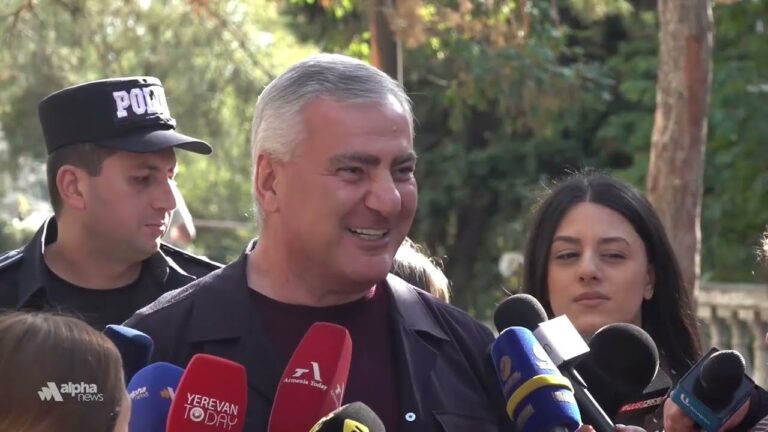
Kristina Yermak, international affairs expert, in comments to Alpha News, assessed the phone call between Valentina Matviyenko, Speaker of the Federation Council, and Ruben Rubinyan, Deputy Speaker of the Armenian parliament, as well as Moscow’s latest signals toward Yerevan.
According to the expert, dialogue between Russia and Armenia continues, but Moscow does not see concrete steps from Yerevan to overcome the accumulated disagreements.
“It’s clear that Moscow’s statements today reflect a growing mutual estrangement. The statements clearly convey the message of overcoming the crisis constructively. But Moscow does not currently see steps from Yerevan to overcome the disagreements. There is an imitation of resolving issues and mutual disagreements that arise, but there is no substantive context whatsoever in terms of actually resolving anything. It all comes down to rhetoric, while in the sphere of creating additional problems, everything is precisely about concrete actions,” Yermak said.
Commenting on the possible restriction of Russian tourist travel to Armenia, the expert noted that such measures could lead to serious economic consequences for the country.
“There are grounds for such steps. If we look specifically at the tourist flow, more than a million tourists visited Armenia in the first half of this year. Russia tops this list, 40% of the total tourist flow comes from Russia. At the same time, tourism accounts for 13% of GDP. So we can already assume today that restricting the tourist flow to Armenia would bring concrete costs,” the expert emphasized.
Speaking about statements by Armenian authorities regarding possible EU accession and holding a referendum, Yermak said this reflects an attempt to preserve ambiguity in the country’s foreign policy course.
“There is a general backdrop being constructed for the average person, suggesting there’s some kind of choice between a European course and a Eurasian course. And here we’re filling the Eurasian course with the Armenian-Russian bilateral agenda. This is done in order to preserve ambiguity, to keep this hook, to maintain the connection, and to sit on two chairs at once. In reality, the strategic choice has already been made, and the tactics are now simply being adjusted to fit the context,” Yermak noted.
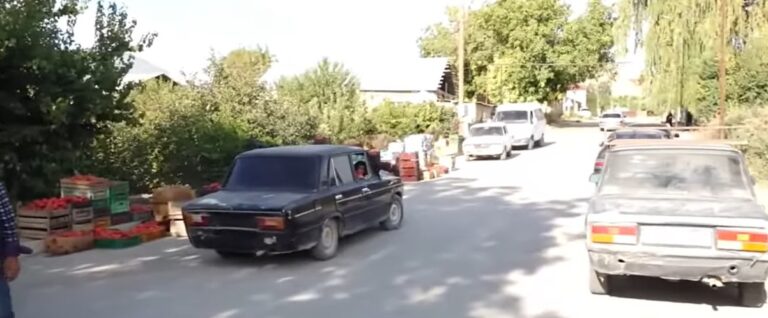
Separately, the expert assessed the situation with Armenian exports to Russia and the consequences of restrictions on supplies of certain categories of goods.
“If we look at the statistics, the peak trade turnover between Armenia and Russia in 2024 was $12 billion, and it has since declined. Russia accounts for about 35% of Armenian exports overall, but certain categories of goods (agricultural products, fruits, vegetables, and nuts) reach a maximum share of around 90–98% of exports. So the consequences of the restrictions are already being felt now. At the same time, we don’t currently see alternative markets that could perform as successfully as the Russian market,” the expert said.
According to Yermak’s forecast, tension will persist in Armenian-Russian relations through the end of the year, though dialogue between the two countries will continue.
“At the moment, Armenian-Russian relations are in a constant state where coldness persists, and concrete actions are being taken that increase tension. However, it’s very important that dialogue is being maintained, and that the problems and issues requiring resolution are being clarified. The coldness will persist, and Moscow’s steps will be directly proportional to Yerevan’s actions in its relations with the EU,” Yermak concluded.
 Now live