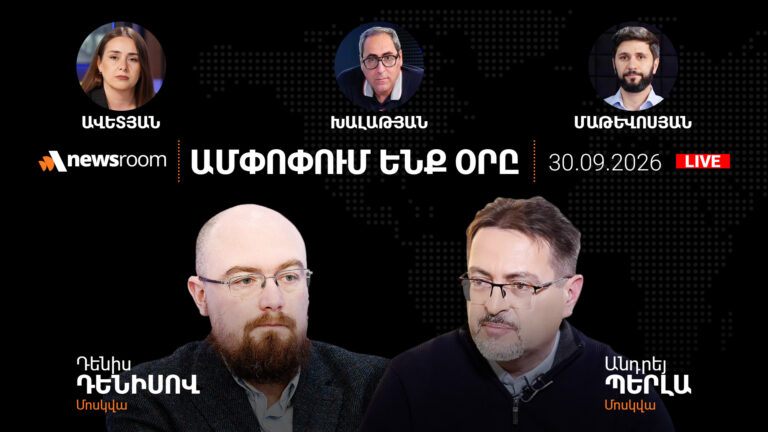

By calling Vladimir Putin, Pashinyan is seeking to secure the support of all leaders ahead of the elections: Bogdan Bezpalko
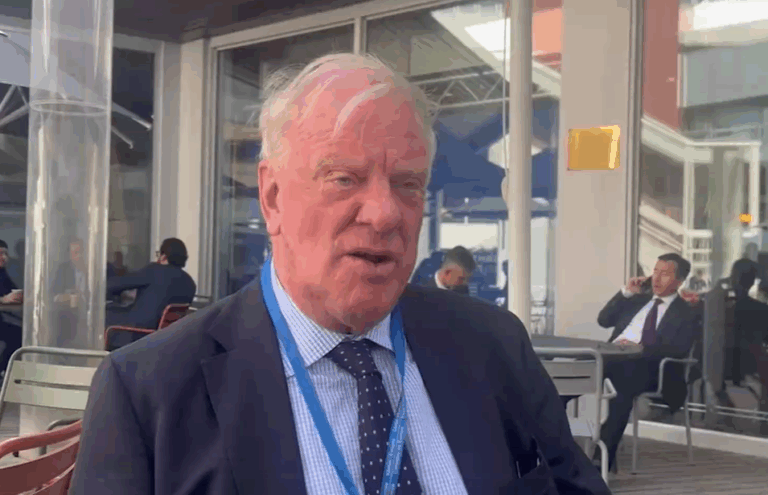
Political analyst Bogdan Bezpalko commented to Alpha News on the talks between Russian President Vladimir Putin and Armenian Prime Minister Nikol Pashinyan. According to the analyst, Pashinyan wants to show that he is a skilled, flexible politician who engages with equal ease with the leader of Russia and with the leaders of Western countries.
“The Armenian Prime Minister wants to demonstrate his flexibility, because ahead of elections a politician must appeal to everyone both those who favor unity with Russia and those who support Armenia’s move toward the West. What we see is another vector of Pashinyan’s policy, except there is no vector at all. That is to say, when there is no clear direction, all directions become valid, as one might put it. On the one hand, Pashinyan has neither left the CSTO nor taken Armenia out of the EAEU, while on the other hand he declares that Armenia must stay the course toward the West, practically toward the EU. How does that add up in practice? It doesn’t,” Bezpalko said.
According to the analyst, Pashinyan’s phone call was driven by the need to secure formal support from as many leaders as possible.
“On one hand, Pashinyan wants to smooth relations with Azerbaijan, and there has been some progress on that front. On the other hand, the question is at what cost this will happen, how the relationship between Azerbaijan and Armenia will be structured, and how Russia’s military presence on Armenian territory will be maintained. Highly contradictory statements are coming from both Pashinyan and other Armenian politicians. It is therefore worth focusing on the sum of facts as they currently stand. That sum tells us that for now Armenia remains part of all these structures, though the relationship between the leaderships cannot truly be called fully friendly. Calls of this kind are more of a formality, a necessity. If elections are coming soon, it is better to secure the support of as many people as possible. This phone call was most likely made within the framework of exactly that kind of policy,” Bezpalko concluded.
 Now live