
Moscow is already waiting for foreign policy clarity from Yerevan: Sergey Stankevich
Sergey Stankevich, political analyst, noted in a comment to Alpha News that the current communication between Moscow and Yerevan boils down to one key issue: Armenia’s foreign policy choice.
“The current Armenian leadership is declaring a departure from strategic partnership with Russia, from allied relations, and a gradual shift of the country into the sphere of influence of Brussels. At the same time, the following signal is being sent to Moscow: we are not breaking off relations yet; we want to preserve the existing economic ties, trade on preferential terms, and the opportunity to use Russian resources. And when we finally move towards the West and get a full‑fledged replacement from new allies, then we will leave. Essentially, the proposal is to maintain the current format of relations and continue to subsidize Armenia,” Stankevich noted.
According to the political analyst, such statements are not made directly, but this is precisely the meaning that can be discerned in the actions of the current Armenian leadership.
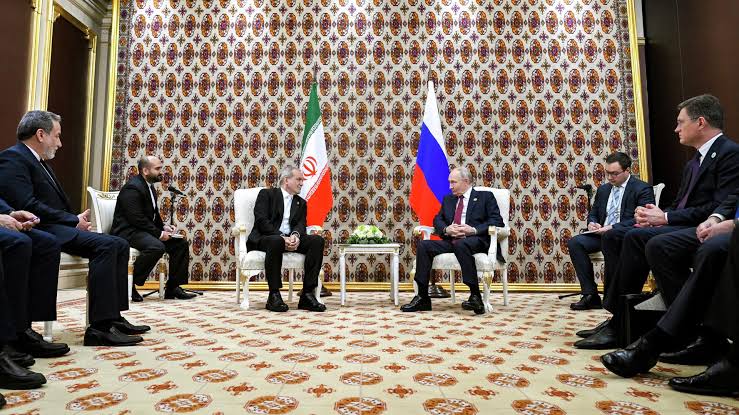
“Moscow is currently maintaining a wary and wait‑and‑see stance and is not taking any drastic steps. There has been no active response to this geopolitical shift so far, as Moscow believes that this choice is not yet final and can still be discussed. These discussions will continue. I think the Russian president will once again remind that Moscow, as well as other member states of the CSTO and the EAEU, would like Yerevan to make a decision now, rather than in three or four years, when the move towards the West will be fully prepared,” Stankevich said.
The political analyst also recalled that there had previously been proposals to put the issue of the country’s foreign policy choice to a nationwide vote.
“It was suggested that this choice should not be made solely by Pashinyan and his entourage, but that the people of Armenia should have the opportunity to express their will in a referendum. I believe Moscow’s position on this issue has not changed. It is likely that Pashinyan will be asked to respond to the signal coming both from Moscow and from Russia’s allies in the military and economic blocs. It’s unlikely that anything more significant will be said in Bishkek today,” the political analyst concluded.
 Now live