
Moscow’s plans for Armenia have been laid out
August 11 2026, 21:00
(Are the EAEU and CSTO bidding farewell to Armenia?)
Statements by Mikhail Galuzin, Deputy Foreign Minister of Russia, along with recent warnings from Valentina Matviyenko, Speaker of the Federation Council, about a possible halt in tourist flows to Armenia, clearly demonstrate that Moscow no longer intends to limit itself to half-measures. The Kremlin has spelled out its conditions in the plainest terms and made clear that its position toward Yerevan will remain unyielding unless a number of specific demands are met. These include abandoning the course toward EU accession, revising the TRIPP project, creating favorable conditions for Russian business to operate (for example, returning control of Electric Networks of Armenia to Samvel Karapetyan, and dropping attempts to strip Russian Railways of its concession over Armenian railways), and completely switching off the “tap” of anti-Russian propaganda.
The situation surrounding Armenia’s participation in the CSTO is nearing a resolution. At the CSTO summit set to take place in Moscow on November 11, the Collective Security Council may take up the question of limiting Yerevan’s powers, including stripping it of its right to vote. Financial issues that have surfaced highlight the legal dimension of the conflict: although Armenia has de facto frozen its participation in the organization’s work and refuses to sign budget decisions, the CSTO charter remains an international treaty. Declining to exercise its rights does not release Yerevan from its obligation to pay its national contribution, and the resulting debt lays the legal groundwork for applying the procedures set out in the charter.
The Armenian authorities’ response is only deepening the rift. Sargis Khandanyan, Chairman of the ruling Civil Contract faction, said Yerevan sees no reason to step up its participation in the CSTO and considers the path back closed. The Armenian side continues to point to the alliance’s failure to give a political assessment of the events of 2022–2023 on its sovereign territory. At the same time, the crisis along the EAEU track is intensifying. Galuzin’s statements about the need for a referendum in Armenia by December 2026 on choosing between the EAEU and the EU are backed by the May decisions of the Supreme Eurasian Economic Council. At the December meeting of heads of state, a report will be presented on the consequences of suspending the EAEU treaty for Armenia. According to the Armenian press, Moscow has effectively given Pashinyan about a month to make a final choice, after which painful economic levers could come into play.
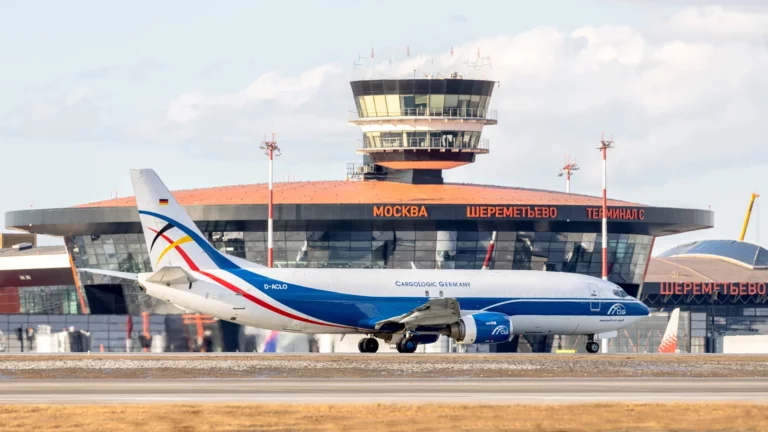
Among the possible sanctions under discussion are reducing the number of Armenian labor migrants in Russia, currently numbering around 500,000, cutting direct air links, which would hit the tourism sector and drive up ticket prices, and revising the terms of gas supplies and other trade preferences. Attempts by the Armenian leadership to drag out the process, arguing that a referendum cannot be held without broad prior discussion and a formal application, are seen in Moscow as an effort to keep funding European integration using the resources and market of the EAEU.
It is hard to believe that this kind of approach will find understanding in the Kremlin. Continued obstinacy on the part of Nikol Pashinyan will inevitably mean that, alongside the question of EAEU and CSTO membership, the bilateral agenda could come to include the issue of whether it is still worthwhile to keep Russia’s 102nd military base in Gyumri. Moscow’s logic is simple: choosing the path toward the European Union should mean not only losing revenue from the Russian market, but also a complete end to Russia’s military presence. Through its statements and its attempts to dodge the question, official Yerevan is itself introducing the topic of a new potential referendum into the agenda of bilateral relations and putting the fundamental guarantees of its own security at risk.
Think about it…
 Now live