
US-Iran talks are possible, Trump needs to end the conflict: Pavel Dubravsky
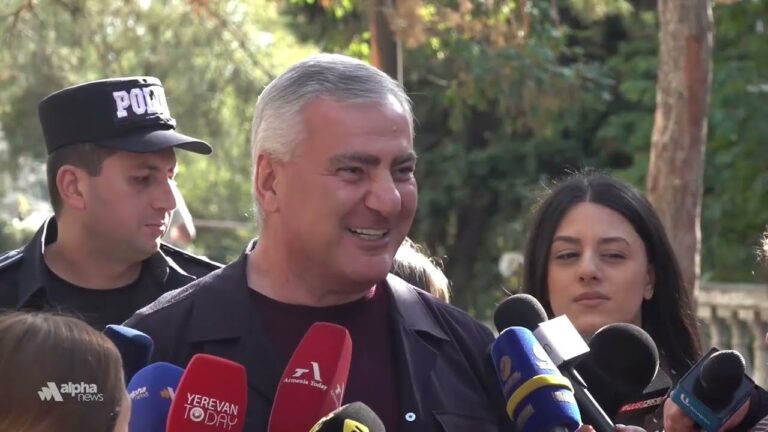
Pavel Dubravsky, political analyst, commented to Alpha News on the state of the negotiation process between the US and Iran.
According to the analyst, Trump is being pushed toward talks with Iran by both foreign-policy and domestic-policy factors: the absence of a broad anti-Iran coalition, declining American support for the military campaign, and its negative impact on the US economy.
“Trump is on an emotional rollercoaster, because we see one week statements coming from the US saying there won’t be any more talks, that they’re pointless. Then we see the opposite side again. Donald Trump has both foreign-policy and domestic-policy reasons pointing to the fact that he needs to end this conflict. On the foreign-policy side, I see that he hasn’t managed to build an anti-Iran coalition, and even with an ally, Israel, there are tensions and unresolved issues. Second is the domestic-policy factor, namely that midterm elections will be held in the US this November, and the war in Iran is one of the most unpopular events in American history, on the level of the Vietnam War. In fact, we see that, according to polls, more than 60% of Americans disapprove of this military campaign. And probably the key factor is that it’s hitting the economy very hard. That was one of Trump’s main promises, that he’d fix the economy after Biden. But that hasn’t happened; if anything, it’s gotten somewhat worse compared to Biden, at least,” Dubravsky said.
According to the analyst, talks between the US and Iran are likely, since Trump needs to end the conflict amid the upcoming elections and economic problems.
“Talks are likely. They’ll happen, because Trump needs to hold them and bring this conflict to an end. But something tells me that, deep down, Donald Trump is prepared to accept a scenario where the November elections, the congressional elections, which will have a major impact on future policy both inside and outside the United States, take place against the backdrop of the ongoing conflict in Iran,” Dubravsky concluded.
 Now live