
Witkoff on how peace between Yerevan and Baku became a priority for Trump
September 24 2026, 19:20
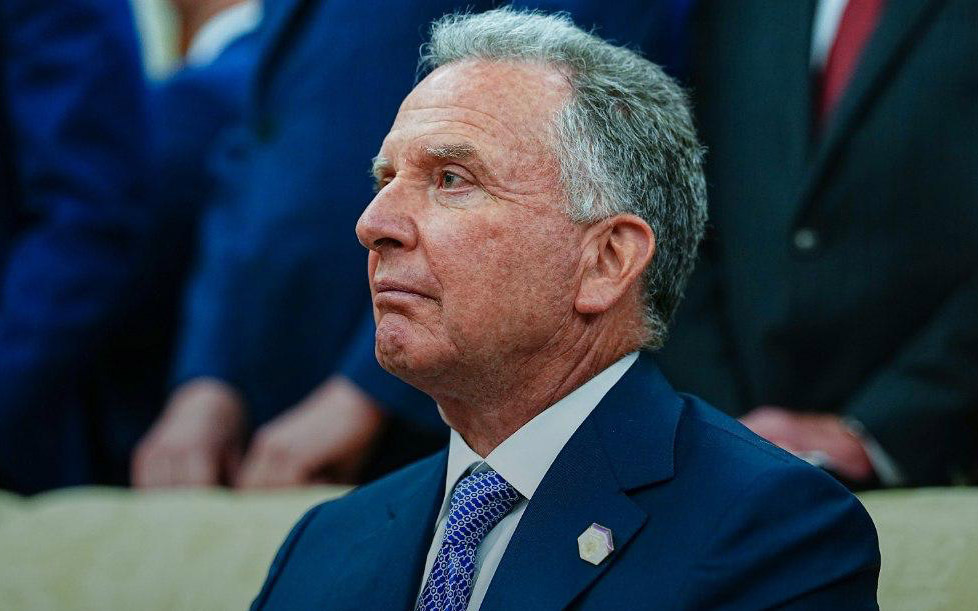
Steve Witkoff, Special Envoy of the US President, spoke at an event organized by the Council to promote peace between Armenia and Azerbaijan about the Donald Trump administration’s involvement in the process of resolving the conflict between the two countries.
“Unlike many other international conflicts, in the Armenian-Azerbaijani case, the necessary conditions for concluding a peace deal have come together,” Witkoff said, noting “the pragmatic approach of the leaders of the two countries, who understood the need for a peaceful resolution to the protracted conflict.”
“Washington saw an opportunity to reach an agreement after the first contacts with the leadership of the two countries. Both Nikol Pashinyan and Ilham Aliyev, despite years of conflict between the states, were ready to seek a path to peace,” Witkoff noted.
He also said that after his first trip to Baku, he presented Trump with an assessment of the situation in the region and described the problems in relations between Yerevan and Baku. According to Witkoff, Trump instructed his team to make the Armenian-Azerbaijani settlement one of their priorities. “The president really started focusing on this,” Witkoff said. He added that Trump supported his representatives during the negotiations and was available for consultations.
Separately, the US special envoy spoke about the meeting between Pashinyan and Aliyev in the Oval Office. According to him, Trump asked the Armenian and Azerbaijani leaders to shake hands, after which he placed his hands on top of their joined hands. “Now that’s a team,” Witkoff quoted Trump as saying.
Speaking about the TRIPP project, Witkoff said that its launch should significantly speed up the movement of goods along trade routes. According to him, once the project is operational, delivery times could be reduced by approximately two and a half to three weeks.
In Witkoff’s view, the new infrastructure will help eliminate a number of existing transport constraints, strengthen connectivity between regions, and create conditions for a significant investment inflow.
 Now live