
“The Church cannot be a state within a state”: Pashinyan on four objectives of the Armenian Apostolic Church reform agenda
April 21 2026, 15:44
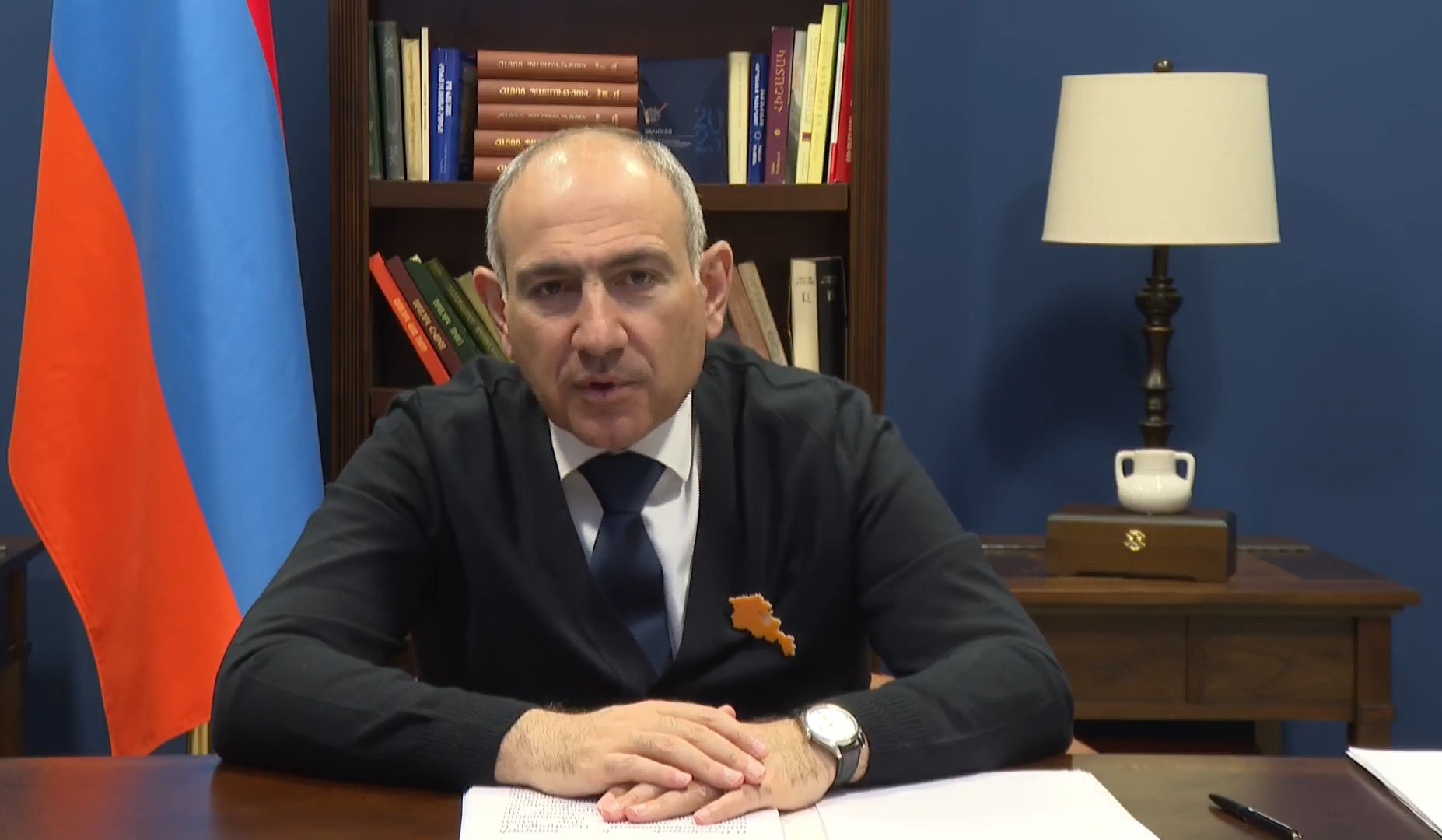
“Reforming the Armenian Apostolic Church is a vital necessity for addressing the issue of building a value-based spiritual life. In recent decades, as a result of the activities of the Church’s de facto leadership, the community of believers has to a large extent distanced itself, and continues to distance itself, from the Church. This is also a matter of spiritual security, as it has created an opportunity for external forces to attempt to turn the Armenian Apostolic Church into a platform for hybrid actions against the independence and sovereignty of the Republic of Armenia,” Prime Minister Nikol Pashinyan said while presenting the election program of the Civil Contract party.
“The Civil Contract party supports the reform agenda of the Armenian Apostolic Church and adopts the following roadmap:
a. Removal of the de facto head of the Armenian Apostolic Church;
b. Election of a vicar of the Catholicosate in accordance with established procedures;
c. Adoption of the Charter of the Armenian Apostolic Church (the charter must include mechanisms to ensure financial transparency and proper conduct of the clergy in line with established principles);
d. Election of the Catholicos of All Armenians in accordance with established procedures.
The parliamentary majority formed by the Civil Contract party and the government undertakes to include clergy in the state system of social guarantees.
At the same time, the Civil Contract party respects the freedom of religion and belief of all citizens and reaffirms that Armenia is a secular state and, under the Constitution, religious organizations are separate from the state.
The reform agenda of the Armenian Apostolic Church is aimed at fully restoring Armenia’s constitutional order by removing the Church from politics,” he said.
Pashinyan also expressed the view that the Church supports separation from the state, while emphasizing that although the Church is separate from the state, it cannot be a state within a state.
 Now live