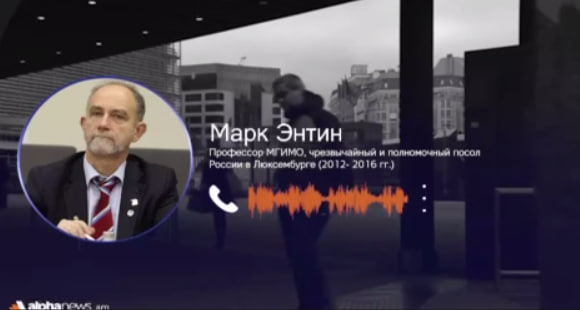

Russia-Europe relations should move to a multilateral format: Mark Entin
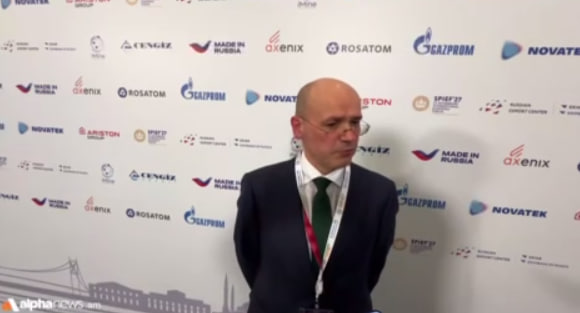
Mark Entin, a professor at MGIMO and Russia’s Ambassador Extraordinary and Plenipotentiary to Luxembourg from 2012 to 2016, spoke to Alpha News on the sidelines of the 19th Verona Eurasian Economic Forum in Istanbul. He commented on the prospects for a shift in Europe’s position on Russia against the backdrop of the dialogue between Russia and the United States, as well as on how protests in France and Italy are affecting the policies of European elites.
According to Entin, there are forces in Europe that favor ending the confrontation with Russia, but they are meeting resistance. “What is the main difficulty for a united Europe? The fact that it is united. So there are very powerful, credible forces that would like to change course, but they run into resistance from so-called spoilers. These are the ones who obstruct and block any sensible initiative. The result is a situation in which the healthy forces, those focused on ending the confrontation and finding common ground, are even somewhat afraid to put forward their initiatives, because they understand what could happen: a good, necessary initiative that could have been implemented would, once blocked, end up working against a united Europe, against our relations and against those who proposed it. That is why it is extremely important for bilateral relations to become multilateral, so that everyone realizes how dangerous the course Europe is now on really is,” Entin said.
In the expert’s view, public discontent in Europe is driven primarily by the policies of the current elites and the way they govern their countries.
“If you just turn to the people, to the population, the position of the street is visible everywhere in Europe right now. But that position has nothing to do with economic hardship. The economy is growing, very modestly, but in a balanced way. There’s no need to exaggerate the economic hardship. The issue is something else entirely: the public’s rejection of those political elites and the course they are pursuing. The protest is purely political, and it’s about how these countries are governed and how the problems that arise go unresolved. In this respect, it is not about replacing the political elites or changing the government, but about the authorities hearing their own people and finally taking care of them, not only of themselves,” Entin concluded.
 Now live