
Orbán’s defeat in the Hungarian elections was inevitable: Yevgeny Semibratov
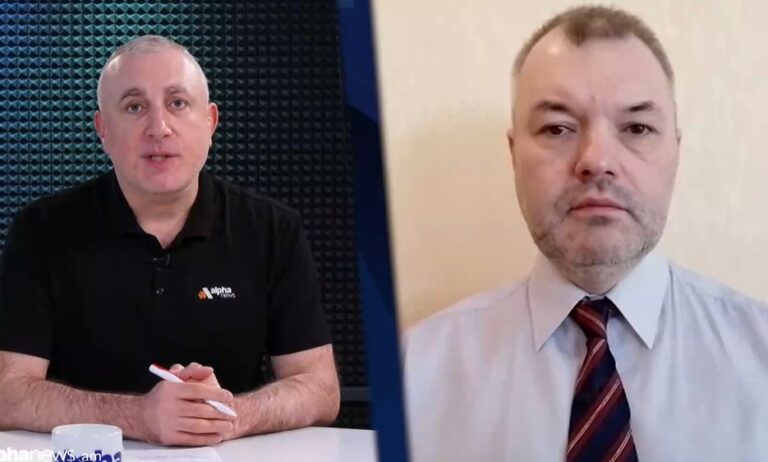
Yevgeny Semibratov, deputy director of the Institute for Strategic Studies and Forecasts at RUDN University, shared his commentary on the Hungarian parliamentary elections with Alpha News.
“The outcome of the elections held in Hungary was, of course, largely anticipated, since Viktor Orbán’s government had recently come under serious pressure from the EU. It was caught up in numerous scandals that mattered both to Western society and, more importantly, to Hungarian society itself. On top of that, very broad segments of the Hungarian population did not accept the independent, sovereignty-focused policy that Orbán personally pursued. Under these conditions, serious external pressure combined with very strong internal opposition, defeat unfortunately became inevitable at some point. The involvement of the Americans and their intention to back Orbán was also not received positively, especially since US influence on European domestic politics currently carries a degree of toxicity both in the context of the latest Middle East conflict and beyond it. The victory of the Tisza party is therefore a carefully calibrated, technocratic story. It must be acknowledged that Brussels, in all likelihood, had options for forceful intervention had the election produced a different result, along the lines of Ukraine’s Maidan, but those proved unnecessary. Hungary will now have a new government and a new prime minister,” Semibratov said.
In the analyst’s view, Brussels is jubilant, but Magyar’s course remains an open question: preserving Hungary’s economic miracle without Russia is impossible.
“While Brussels is jubilant, some Western media are expressing a degree of skepticism about how closely Magyar will follow a pro-European course. After all, he was once an ally of Orbán, that is the first point. Second, Hungary is itself a very conservative country. If Magyar does genuinely align with EU policy on its most contentious points, in particular if Kyiv receives the much-desired €90 billion loan that would allow it to continue military operations for the next two years, the question of severing mutually beneficial economic ties with Russia is far from straightforward. Ideologically, Magyar may well wish to walk away from much of the current arrangement, though he has already signaled his readiness to sit down at the negotiating table with Russia. On the other hand, a declining standard of living will very quickly erode his political success, and without Russia, let us say, preserving Hungary’s economic miracle in its current form is practically impossible,” Semibratov concluded.
 Now live