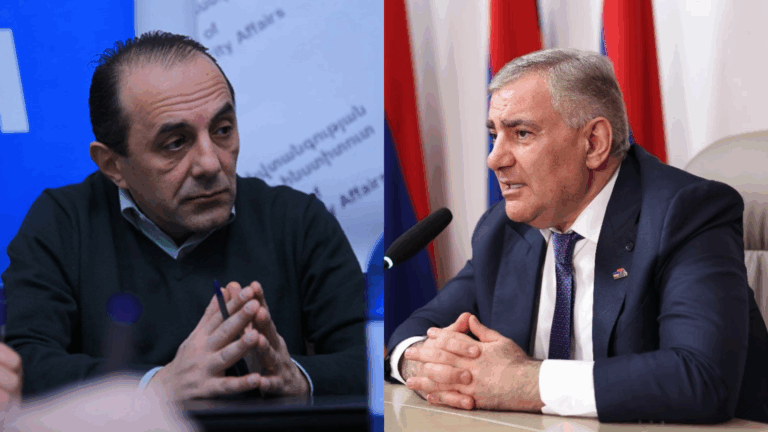

Beniamin Matevosyan: Does Rubio not believe in Pashinyan’s re-election?
May 27 2026, 19:00
(Details of the US secretary of state’s blitz visit to Armenia)
US Secretary of State Marco Rubio’s blitz visit to Yerevan has become yet another confirmation that Washington activates the “Armenian card” at moments of peak confrontation with Iran. A similar dynamic was observed earlier in the year, and today the scenario is repeating itself: against the backdrop of fresh American strikes on Iran, Washington is rushing to consolidate its presence on a critical stretch of the Iranian border.
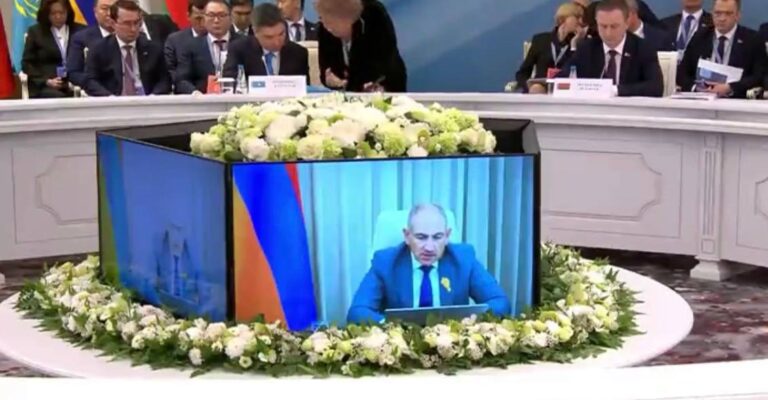
For the Donald Trump administration, Armenia is becoming not merely a partner but an element of a global strategy to isolate and contain Iran, one in which Yerevan’s interests are sacrificed to geopolitical expediency. Despite the government propaganda’s attempts to present Rubio’s arrival as an act of “universal support” for prime minister Nikol Pashinyan personally ahead of the elections, the actual substance of the visit points to deep skepticism on the part of the White House regarding the incumbent prime minister’s political longevity. The signing of the framework agreement on the Trump Route for International Peace and Prosperity (TRIPP) project and the Charter on Comprehensive Strategic Partnership looks less like an investment in a specific leader and more like an attempt to legally lock in Armenia’s commitments “over the heads” of Armenian governments.
Washington is rushing to secure control over strategic assets, communications and rare earth metals, before the domestic political situation in the republic can change. Of particular significance is the fact that it was foreign minister Ararat Mirzoyan who placed the key signature on the documents launching TRIPP. The project effectively legalizes the functioning of the “Zangezur corridor,” providing extraterritorial connectivity between mainland Azerbaijan and Nakhchivan.
The transfer of 74% of shares in the specially created TRIPP Development Company into the hands of American entities for 49 years turns Armenia’s sovereign territory into a zone of direct US administration. This decision looks like a preemptive asset lock: the Americans are not confident in Pashinyan’s “third term” and are seeking to create a legal framework that no future Armenian leader will be able to dissolve.
For Armenia itself, this choice means transitioning into a arena of direct confrontation between geopolitical antagonists. By finding itself in the “overseas camp” while having such immediate neighbors as Iran and Russia, official Yerevan is taking an unprecedented risk. Rubio called the agreement “a path to peace,” yet in reality integration into the US-controlled Trans-Caspian route and the memorandum on critical minerals supplies only deepen the country’s dependency. Washington pragmatically takes the subsoil and logistics, reserving for itself the right to determine the fate of the region, while the Armenian authorities present the loss of sovereignty as the achievement of an “unprecedented level” of relations. Ultimately, Rubio’s visit underscored the utilitarian nature of America’s attitude toward Armenia.
While Pashinyan signals loyalty, the American side is hedging against his possible departure by securing control over a critical transport hub. The haste with which the TRIPP project documents were initialed suggests that Washington views the current Armenian administration as a temporary ally whose main task is to hand over the keys to the regional routes before the political cycle turns. This places Armenia in an extremely vulnerable position, one where economic benefits remain illusory, while the risks of the country becoming a staging ground for anti-Iranian operations are becoming reality.
Think about that…
 Now live