
“We do not hide our criticism”: MEP on the elections in Armenia and pressure on the media
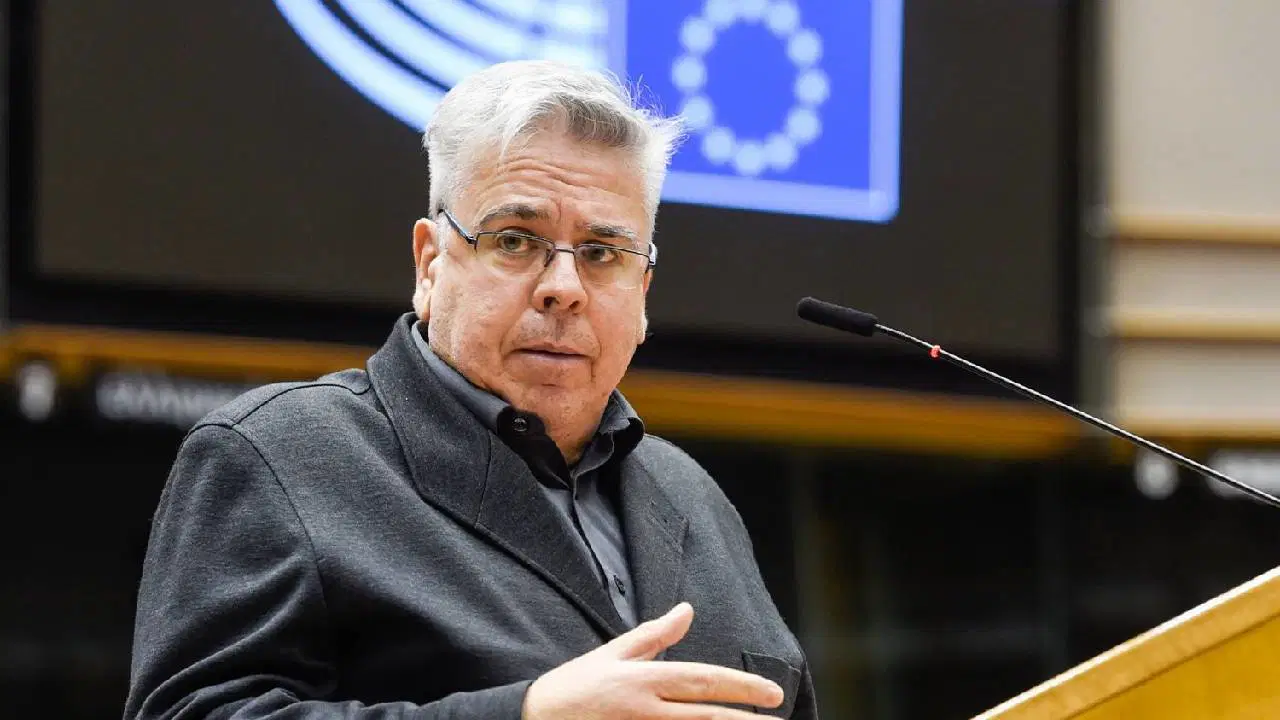
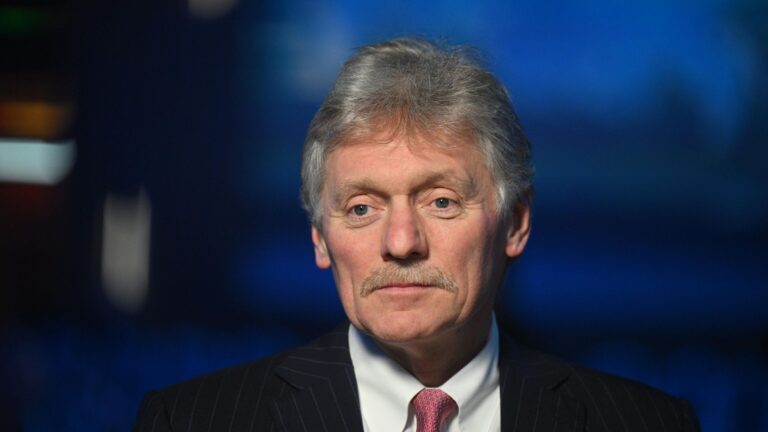
Nacho Sanchez Amor, a Member of the European Parliament from Spain and a member of Euronest, commenting to Alpha News on the numerous violations during Armenia’s elections, stated that if Armenia truly and sincerely wants to move along the European path, “it will have to abandon many old traditions and habits.” According to him, the assessment issued by the international election observation mission in Armenia mentions such problems as “misuse of administrative resources, pressure on and difficulties for the media.”
“We signed this election assessment and therefore did not hide our criticism of what happened in Armenia. We call on all political parties in Armenia to recognize this and follow the European path. If you truly and sincerely want to move along the European path, you will have to abandon many old traditions and habits,” he emphasized.
Commenting on the Armenian opposition’s refusal to recognize the election results, he said he considers it a negative step.
“The opposition in Georgia has already gone down this road, and I see no real benefit in it. There is indeed criticism directed at the international election observation mission. However, in my view, the opposition should consider whether that criticism is sufficient grounds for boycotting institutions. This is a very serious step, and I would not make decisions that are difficult to walk back. I would draw attention to the situation in Georgia, where the opposition chose not to participate in the work of parliament, and it brought no political gains. Yes, the situation in Armenia differs from that of Georgia, but experience shows that non-recognition of results and the boycotting of institutions very rarely leads to a reversal of political decisions” Nacho Sanchez Amor said.
It should be noted that the MEP serves as rapporteur on Turkey, and in his report presented at the European Parliament plenary session he also touched on the question of opening the border with Armenia. In his comment to Alpha News on the risks of opening the Armenia–Turkey border in the absence of a peace agreement with Azerbaijan and the potential weakening of Armenia’s domestic economic sector, he essentially did not address the associated risks, and noted that Turkey has been consistently called upon, through numerous contacts over many years, to reconsider the situation at the border.
“However, in my view, the impression one gets is that Turkish authorities have effectively delegated part of their foreign policy to Azerbaijan. It feels as though their approach is governed by the principle ‘if Azerbaijan allows us to, we take some steps.’ I consider this a mistake, it is hard to imagine that a country as large as Turkey could be constrained in making its own foreign policy decisions independently. And yet, as it turns out, Azerbaijan does have effective influence over certain aspects of Turkish foreign policy. Now, with a re-elected government and with Armenia, I hope, entering a period of stability, it remains to be seen how events unfold, including in the context of a possible constitutional reform. We will see whether a full and formal peace agreement between the parties is finally reached. I believe this opportunity should also be used to normalize relations with Turkey. In this regard, I note certain gestures and positive statements about a possible new chapter in relations with Armenia. I take note of this and consider it a positive sign that a new, ‘thawed’ period may begin, however, what we need are not statements but concrete facts and decisions. At present, despite months and years of discussions about opening the border to third countries, nothing has actually been implemented. I therefore call on all sides, as with many other issues, to stop limiting themselves to statements and move to action. We are politicians, and our duty is to make decisions, not merely to discuss problems,” the MEP stated.
 Now live