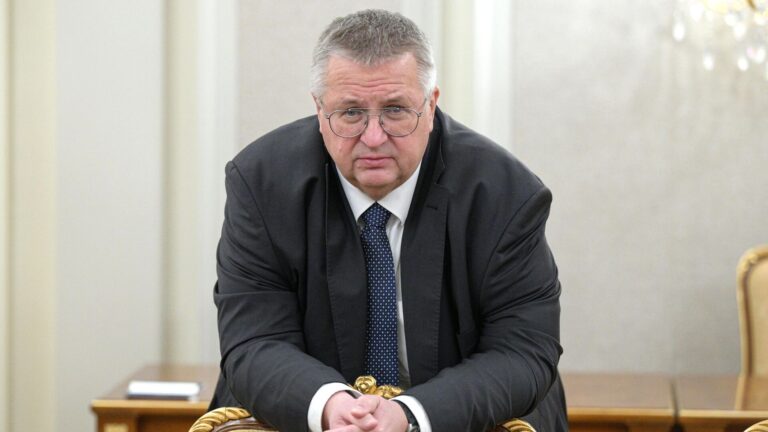

Over 80% of Israeli citizens recognize the Armenian Genocide: Alexander Tsinker
Political scientist Alexander Tsinker commented to Alpha News on the Israeli government’s decision to recognize the Armenian Genocide in 1915 in the Ottoman Empire.
“I’m glad the Israeli government has officially recognized the Armenian Genocide. I have been pushing for this since I arrived in Israel, and I did everything I could to achieve it, as did other members of parliament and public figures. This built up gradually. For example, Israeli textbooks say a great deal about the tragedy of the Armenian people, even if the term ‘genocide’ isn’t always used. There are memorial sites in various cities: for instance, there is a monument to the victims of the Armenian Genocide in Petah Tikva, and in Haifa there is a square named in memory of the victims of the Genocide. So there have been attempts for a long time, but it never quite reached a final decision. I think realpolitik played a role here — a certain status quo in relations between Israel and Turkey that had taken shape back in the 1980s. It was precisely this that long prevented any further movement,” Tsinker said.
According to the expert, recognition of the Armenian Genocide was a response to Turkey.
“Recently, especially after October 7, 2023, it became completely clear who stands on which side. In particular, Turkey crossed every red line, effectively leading the anti-Israel front. Moreover, Turkish President Recep Tayyip Erdogan has recently openly threatened Israel with destruction. So it can be said that all the previous constraints and the old status quo have been swept away, opening the possibility of doing what Israeli society had, in essence, already recognized long ago. According to every poll, more than 80% of citizens believe the Armenian Genocide happened and acknowledge this historical fact. I think this moment simply arrived. Unfortunately, it’s late. I would have liked it to happen much earlier. But the decision has been made now. And it was made, first and foremost, for Israel itself for the sake of affirming historical memory. In the past there were certain political constraints, but now this historical position can be enshrined with a clear conscience. Second, it is a tribute to the memory of all the relatives and descendants of the Armenians who died during the Genocide. And third, as many experts have noted, it is a certain signal to Turkey, which regularly accuses Israel of genocide in the Gaza Strip. It is, in a way, a response to Ankara and a reminder: we remember the events of 1915 and the Genocide carried out by the Ottoman Empire, of which modern Turkey considers itself the successor state,” Tsinker concluded.
 Now live