
Vladimir Putin reminded Trump of earlier agreements: Dmitry Drobnitsky
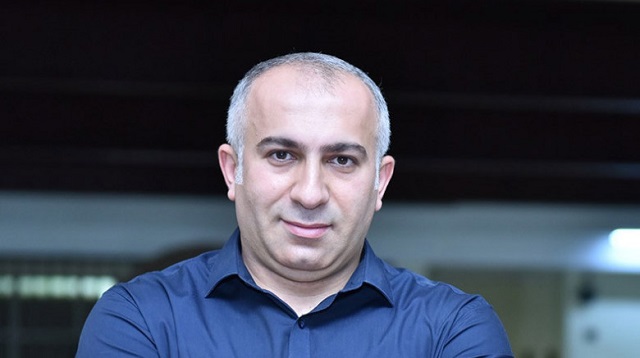
Dmitry Drobnitsky, political scientist and americanist, commented to Alpha News on the phone conversation between Vladimir Putin, President of Russia, and Donald Trump, his American colleague.
“Reports on the conversation mentioned Putin’s words about the situation on the line of combat contact and about Russia still being confident in achieving its goals. That means at least one goal was achieved. If we go by the interpretation of the conversation that emerged after the call, we can say that Putin, on one hand, reminded Trump of their earlier agreements, and on the other, once again reaffirmed his confidence that the Russian army will accomplish the tasks set before it,” Drobnitsky said.
According to the expert, a media narrative about Ukraine’s successes is being actively formed in the West, one that is influencing US political decisions.
“Right now, the media picture being painted in the West is, to put it mildly, curious. Ukraine is supposedly winning. Not in the sense that the Armed Forces of Ukraine are already near Moscow, but in the sense that, as claimed, a turning point has occurred, the momentum has shifted, the war has come home to every Russian, and Putin’s goals are being called into question. This narrative has gone so far that it’s even being echoed by representatives of the current US administration. Right now, the impression being created is that Ukraine is doing very well. This is a media narrative being actively promoted, especially ahead of the NATO summit, where pressure on Trump over the Ukrainian issue will intensify. This picture needed to be countered somehow. It’s unlikely to completely change the approach of an administration that is gradually and consistently drifting toward the Euro-Atlantic line, especially after the failure in Iran. But it was necessary to at least partially remind Trump that, besides reading newspapers and watching the news, there is also real politics. So this picture has to be countered in two ways. First, by creating news events that cannot be ignored. Second, by trying to at least partially introduce an alternative point of view into the information space. In a certain sense, the phone conversation was an attempt to do both,” Drobnitsky concluded.
 Now live