
The finale will be bad for everyone: political scientist Dmitry Solonnikov on the escalation around Iran
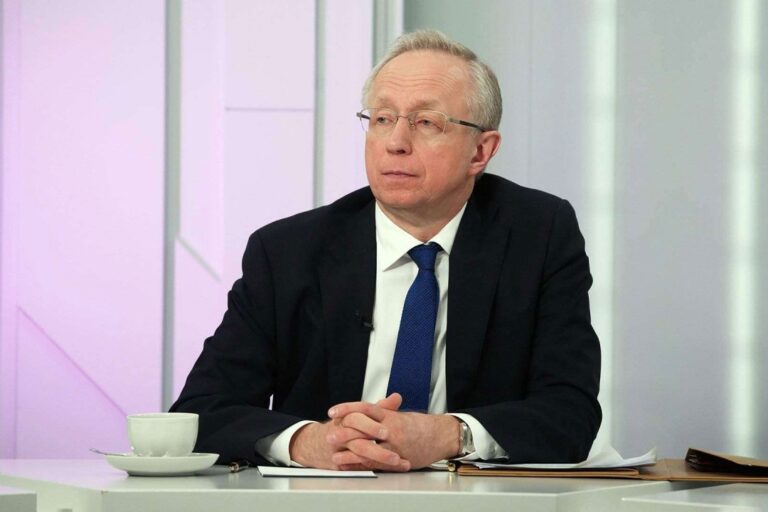
Dmitry Solonnikov, political scientist and political consultant, commented to Alpha News on possible scenarios for the development of the conflict surrounding Iran.
“The situation around Iran has entered a new phase of escalation and confrontation. One might think nobody needs this: the United States doesn’t have sufficient resources to fully defeat Iran and get drawn into a ground war; the domestic situation inside Iran isn’t brilliant either, and further destruction of infrastructure and industry adds no optimism for either the population or the country’s leadership. It would seem they should have reached an agreement, but they didn’t. In my view, one of the triggers for this was that the United States not only confronted Iran directly, but also carried out a broad campaign to eliminate organizations allied with Iran, Iranian proxies. We saw Hamas relinquish its authority to govern the Gaza Strip, Hezbollah was practically sidelined from the situation in Lebanon and ultimately found itself squeezed on two fronts, against Beirut and against Jerusalem. There was, as they say, a coup in Iraq, where more than forty senior officials sympathetic to Iran were arrested, thereby shifting sentiment in Iraq toward Iran’s opponents.
In effect, this Shiite arc that Iran had been building has been dismantled. Well, the Houthis still remain, but the question of what happens to them is also open. This was extremely tense, unpleasant, and dangerous for Iran. Iran believed that agreements would preserve the status quo in the region as it was, but no.
So now, it seems, this too will become a subject of negotiations, not only the direct relationship between Washington and Tehran, but also the forces allied with Tehran in Western Asia,” the expert believes.
According to the political scientist, the situation around the Bab-el-Mandeb Strait will enter the Middle Eastern discourse, which would paralyze the global economy.
“The Bab-el-Mandeb Strait is also now entering the zone of escalation. The Houthis remain essentially Iran’s last proxy ally. If they block the Bab-el-Mandeb Strait, on one hand, this would be a blow to the global economy, and of course this would put both the US’s European partners and the US itself in a crisis situation, along with many countries that rely on this artery, countries from the Asia-Pacific region as well as those with access to the Atlantic, for many of whom it has been important.
But this would lead to far more forces siding with the US. Both European and Asian partners of the US would then have an interest in reopening the Bab-el-Mandeb Strait as well meaning new players would be drawn into this conflict. How long a blockade of the Bab-el-Mandeb Strait would hold in this situation is unknown. Most likely, not long. In other words, through this move, the Houthis would put themselves in a situation where nearly everyone is against them.
The completion of the elimination of the Shiite crescent could then take place. At that point, no one would raise their voice in their defense. The strait would be closed for some time, if they decide to go through with it, but after that, of course, there would be a new round of escalation, most likely eliminating this pro-Iranian foothold in the southern part of the Arabian Peninsula. So escalation is possible here, and nothing good will come of it for the global economy, but again, the finale won’t be particularly rosy for anyone, including Iran and its allies,” Solonnikov concluded.
 Now live