
Artsakh was Armenian land, and Armenians should have been able to live there: MEP
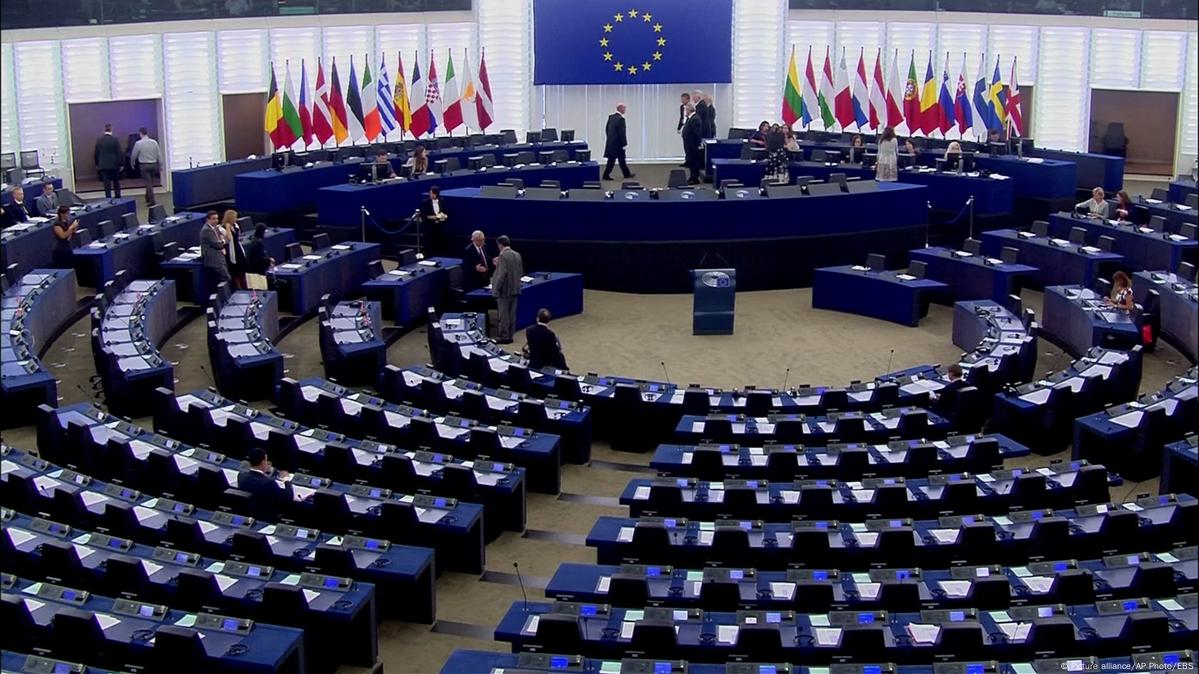
Aleksandar Nikolic, a Member of the European Parliament from France, told Alpha News that in April 2025 they visited Armenia and met with refugees living in mountainous areas right on the border. From there, the border was visible: Azerbaijanis on one side, Armenians on the other.
“We met people who had lost everything and were forced to leave their homes. They had to flee and try to rebuild their lives in houses provided to them near the border. I think there is always a historical continuity here. If you look at history, you can see that Armenians have been gradually retreating. Various explanations can be offered, Soviet-era cartographic decisions or other political reasons. But the fact remains: over time, under the pressure of force or other circumstances, Armenians have been losing territories that once belonged to them. I believe Artsakh was Armenian land, and Armenians should have been able to live there.
At one point, nearly 20% of the population of what is now Turkey consisted of Armenians, Greeks, and other Christian peoples. They disappeared because they were subjected to genocide. And in the same way, when people are forced to leave territories that were historically Armenian, I see this as a form of pressure and as an attempt to erase the culture and very presence of this people on their land,” he said.
Commenting on the fact that some MPs tend to sidestep the issue of ethnic cleansing, he noted: “I think the reason is that today many prefer not to irritate Azerbaijan too much. For me, Azerbaijan is a state that is hostile not only toward Armenia, but also toward European interests, particularly French ones. This is reflected, among other things, in the decolonial narratives and the influence that Baku tries to exert over France’s overseas territories. We saw this in New Caledonia and we are also seeing it in the Antilles, where attempts are being made to promote anti-French demands and narratives that did not previously exist. In my view, this is part of a broader destabilization strategy. And when it comes, for example, to Azerbaijani gas and the replacement of Russian gas, it seems to me that some are willing to turn a blind eye to facts that nonetheless appear entirely obvious.
Armenia alone has little to counter a country backed by Turkey and possessing far more modern means of warfare today. We saw this as early as the first war, with the mass use of drones. And then the events in Ukraine and other conflicts have clearly shown what an enormous impact drones can have on modern warfare. And we saw what Armenian soldiers went through. I had the opportunity to visit the Yerablur military cemetery, and it made a very strong impression on me. I think we too bear a certain responsibility, which is Europe, which in my view failed to adequately protect Armenian interests and Armenian lands.”
The MEP emphasized that the refugee problem remains a reality. “And in a sense they have become a symbol of what is happening. We cannot simply ‘erase’ their existence. The refugees told us they have been living here for five generations. It is clear that the loss of these territorial roots is very cruel. They live, they speak, they bear witness to what happened. And today they unfortunately serve as a reminder of Europe’s failure to effectively protect its historical partner – Armenia. An ally we always promised to protect after what happened at the beginning of the last century. On the other hand, there must be consistency. We cannot on the one hand condemn Russia’s unlawful aggression against Ukraine, and on the other ignore Azerbaijan’s actions in Armenia,” Nikolic said.
 Now live