
Fake narratives were widely used in Armenia in 2018: Shoigu
June 18 2026, 12:50
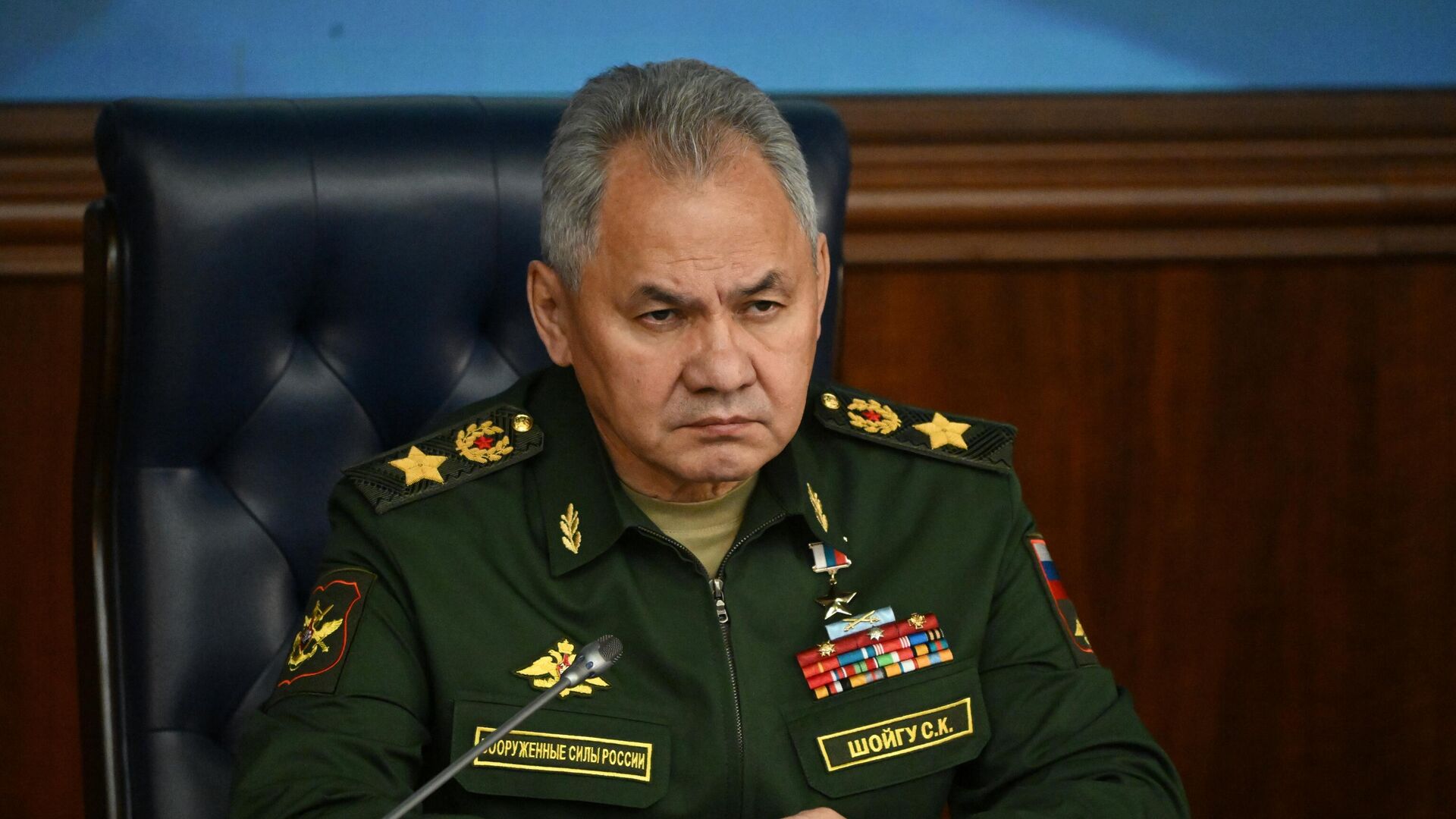
The West makes extensive use of fake narratives and creates communication mechanisms to influence and manage populations when seeking to change political regimes in so-called target countries. This was stated by Sergey Shoigu, Secretary of the Security Council of the Russian Federation, who emphasized that such methods were used in Armenia in 2018 and in Hungary in 2026.
“Effective communication mechanisms are created to mobilize and manage large groups of people, as well as to manipulate public consciousness,” Shoigu wrote in an article for Izvestia. According to the Russian Security Council secretary, “the dissemination of fake narratives through media outlets and social networks controlled by external handlers is widely used to discredit the authorities (primarily through corruption allegations) and to instill a false sense of injustice and anxiety among the population.”
In his view, “the plans of the organizers of ‘color revolutions’ are facilitated by the difficulties and mistakes made by the leadership of target countries.” Shoigu noted that “a country’s leadership also loses public trust as a result of the opacity and closed nature of the political system, corruption within government structures, the inefficiency of judicial and law enforcement institutions, and the development of authoritarian tendencies within the ruling elite, including cronyism and nepotism.”
“At the same time, it is important to recognize that, despite the significance of internal challenges to the stability of target countries, the key organizers of ‘color revolutions’ are external forces. Among the instruments they employ, a special role is played by Western NGOs, foundations, think tanks, volunteer movements, religious communities, and sects,” Shoigu stated. According to him, “such soft-power structures are organizationally and financially linked to the foreign ministries and intelligence services of the United States and its allies.”
Shoigu also said that “each ‘color revolution’ is designed with its own visual campaign materials and system of symbols intended to appeal to the public, including universal signs, gestures, and colors (the ‘Velvet Revolution’ in Armenia, the ‘Bloody Hand’ symbol and the slogan ‘Pumpaj!’ used during the protests in Serbia).”
According to Shoigu, the launch of a “color revolution” is accompanied by a significant increase in external financial and organizational support for NGOs, opposition media outlets, bloggers, and protest movement leaders.
“Western ambassadors and envoys personally attend their rallies, acting not as mediators but as defenders of the government’s opponents,” he added.
 Now live