
PACE deputy: Arrests of opposition members harm Armenia’s reputation
June 26 2026, 17:17
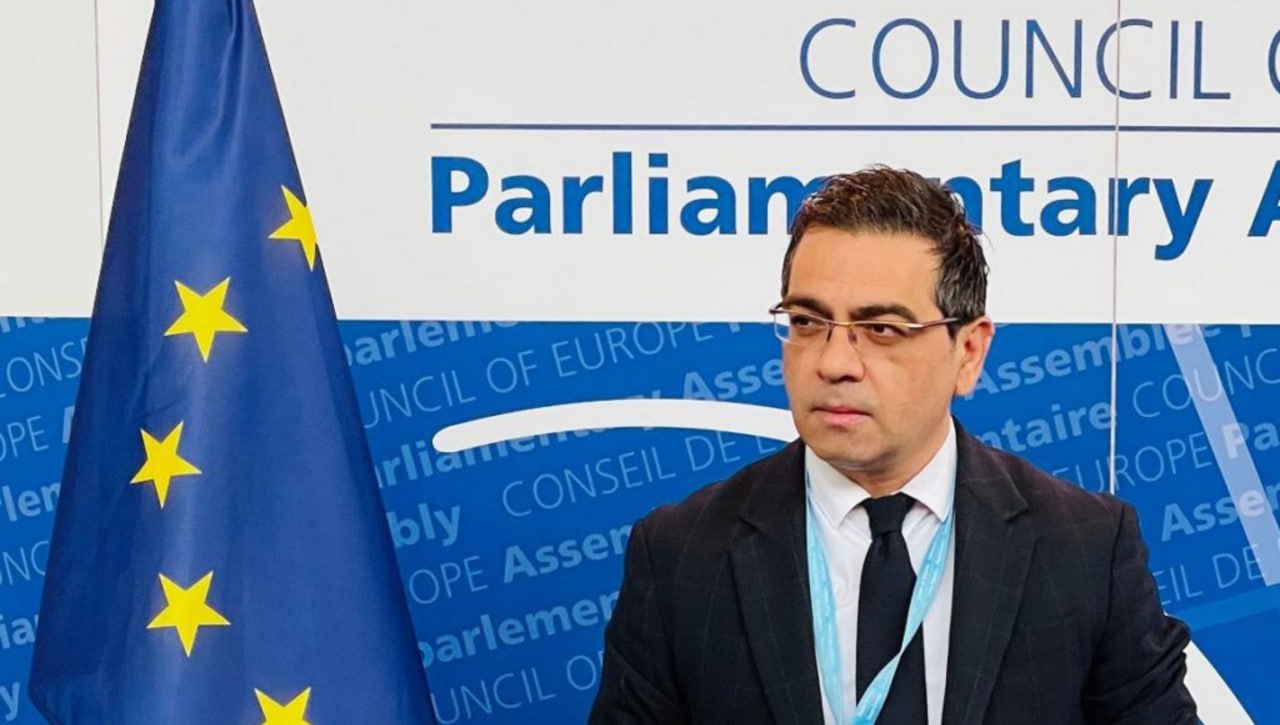
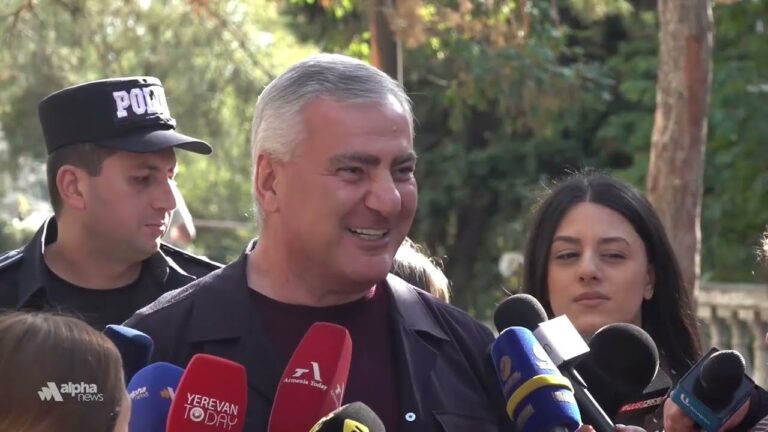
“I observed the situation both during the pre-election period and on election day, and during that time quite a few critical remarks were made regarding the electoral process,” said Georgios Stamatis, Greek member of the Parliamentary Assembly of the Council of Europe (PACE) and member of the election observation mission in Armenia, in comments to Alpha News.
“In my view, and according to the report we prepared, which reflects both positive and negative aspects, the overall environment was conducive to holding elections. It is important to us that all candidates have equal opportunities throughout the entire electoral process. This concerns election day and whether any problems arose at that time. On the other hand, it is extremely important to draw attention to the arrests of representatives of political parties. Such actions do not help strengthen Armenia’s reputation as a state seeking to meet the standards of the Council of Europe. This practice must certainly be reconsidered. If representatives of the political opposition end up in detention, this raises serious questions from the standpoint of democratic principles. Every citizen must have the opportunity to stand as a candidate and participate in the political life of the country. It is the people of Armenia who must determine who will lead the state. In this regard, two aspects can be identified. The first concerns election day itself and the problems that arose, for example, in connection with people arriving from other localities. However, the main political issue concerns those who are in detention. This is unacceptable,” he stated.
Commenting on the fact that the Prime Minister had repeatedly made direct threats against opposition leaders, threatening to literally “destroy” and “kill” them, Stamatis noted:
“Of course, this is unacceptable. No one has the right to use hate speech toward others. In a democracy, one must make the case for one’s position and one’s vision for the country’s future. Every party has the right to put forward its candidate and present its vision of what Armenia’s future should look like. However, hate speech, political persecution, and what one might call a ‘prison’ approach to political competition are absolutely unacceptable. Such an approach sets the wrong example for society and prevents people from properly understanding what is happening. One must speak of expanding democracy, strengthening freedom, and protecting human rights. And, of course, the founding principles upheld by the Council of Europe are of particular importance to us.”
Commenting on the question of how he, as a Greek, views statements by Armenian Prime Minister Nikol Pashinyan that some interpret as an attempt to cast doubt on the Armenian Genocide, he stressed:
“The Armenian Genocide did happen. There are no grounds to question this fact. Armenia has the Armenian Genocide Museum, there is historical evidence, and many countries around the world have officially recognized the Armenian Genocide. I believe there can be no question about this. I myself visited the memorial and the museum. So such statements come as a surprise to me. It is astonishing to hear talk of any doubts or ‘question marks’ regarding the Genocide. Sadly, the Genocide did happen. There are historical sources and testimonies confirming that it occurred. There are still people alive who survived these events, and their accounts are an important piece of evidence of what happened. Therefore, attempts to cast doubt on such facts are bewildering. When documents, historical evidence, and eyewitnesses to the tragedy exist, it is extremely difficult to understand why doubts about such matters continue to arise.”
 Now live